
A Food Lover’s Motorhome Guide to Scotland: How to Plan the Perfect Eat, Drink & Stay Road Trip
A food lover’s motorhome road trip in Scotland is a flexible travel experience that uses a motorhome as a moving base for discovering local food, drink, landscapes, and places to stay. It is not just about scenic driving. It is about planning a journey around seafood, farm shops, whisky tastings, bakeries, markets, village cafés, and peaceful overnight stops.
Scotland suits this style of travel because food and place are closely connected. Langoustines taste better near the west coast. Whisky feels more memorable when the day has included hills, rivers, and barley fields.
VisitScotland reports that 46% of visitors took part in at least one food and drink experience during their trip. That shows how naturally food fits into Scottish travel.
What Is a Food Lover’s Motorhome Road Trip in Scotland?
A food lover’s motorhome road trip in Scotland is a self-guided journey where travellers use a motorhome or campervan to visit food destinations, drink producers, scenic stops, and overnight locations at their own pace. The motorhome is the travel tool, while Scotland’s food culture is the reason for the journey.
This format works because it removes the pressure of fixed hotel check-ins. You can stop at a farm shop in Fife, cook local produce by a loch, visit a seafood shack on the coast, and stay near the next morning’s bakery or market.
Why Does Scotland Work So Well for a Food and Motorhome Trip?
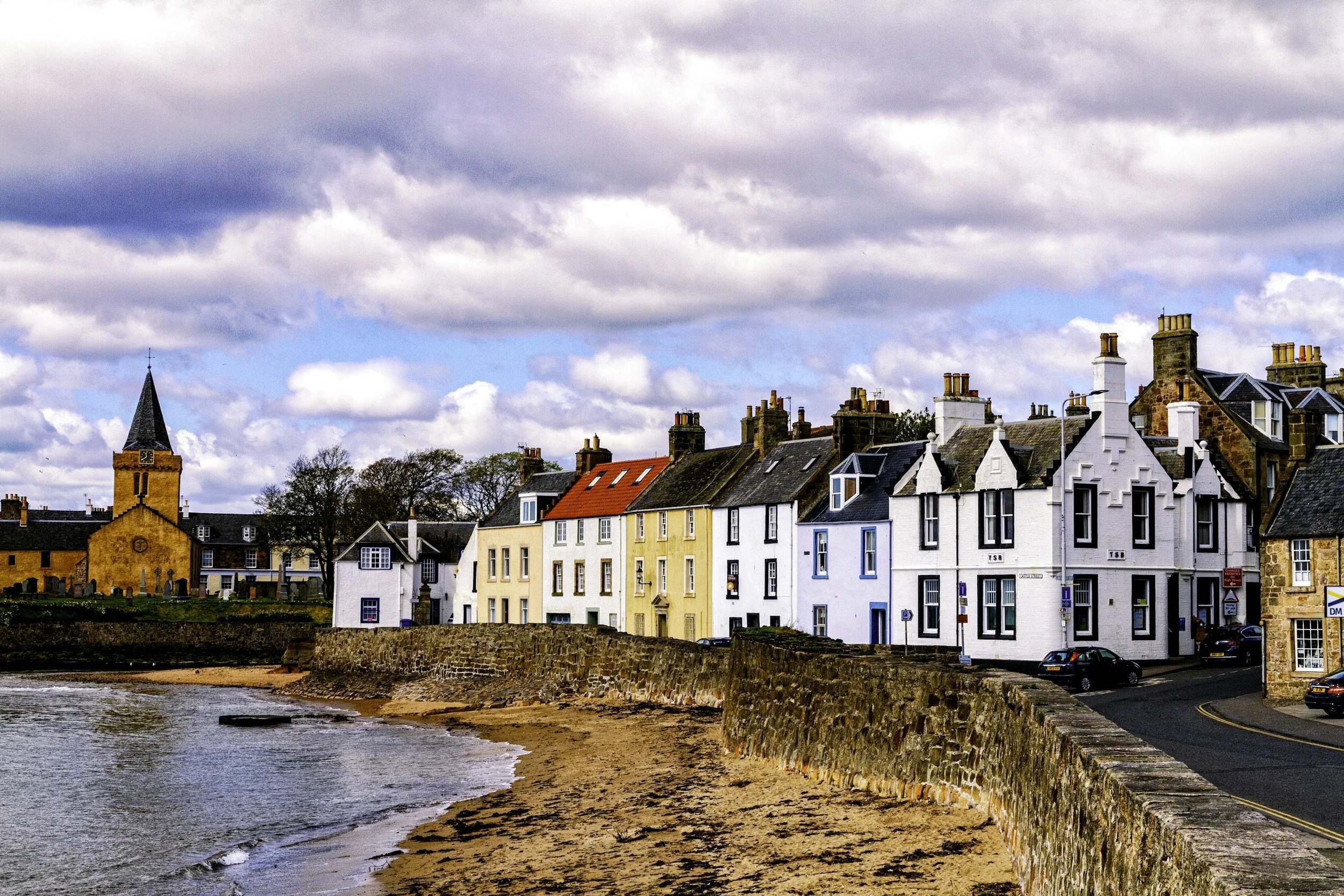
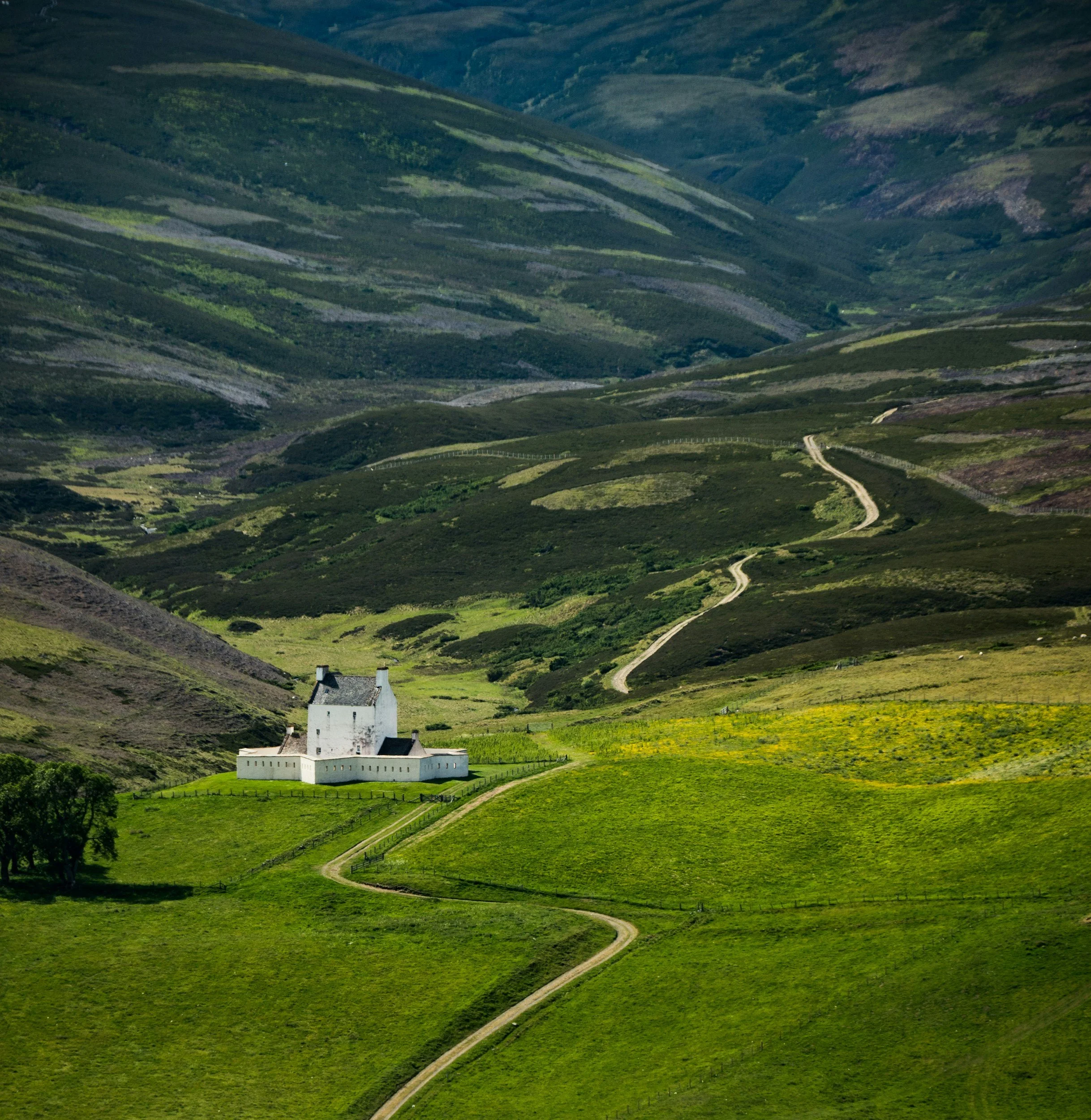
Scotland is well-suited for a food-and-motorhome trip because it offers strong regional food, dramatic landscapes, small producers, and flexible touring routes within a single country. Many memorable Scottish food stops are outside major cities, beside harbours, farms, islands, and rural roads.
There are five main reasons Scotland suits this kind of trip:
Enjoy regional variety: Scotland’s food changes from coastal seafood to venison, beef, whisky, cheese, and bakery goods.
Visit small producers: Farm shops, smokehouses, dairies, breweries, and distilleries are easier to reach by vehicle.
Stay close to the scenery: Campsites and touring parks can place travellers near beaches, lochs, forests, and villages.
Travel at a slower pace: Food trips improve when there is time to stop, taste, walk, and rest.
Support local businesses: Spending with cafés, markets, campsites, pubs, and food makers helps rural communities.
How Should You Plan the Perfect Eat, Drink, and Stay Route?
Planning the perfect eat, drink, and stay route involves choosing a region, mapping food stops, booking key nights, checking road access, and leaving space for slow travel. The aim is not to cover the most miles. The aim is to enjoy better stops with less stress.
There are six useful steps:
Choose your region first: Pick one main area, such as Fife, Argyll, Speyside, Perthshire, or the Highlands.
Build the route around food: Use restaurants, farm shops, producers, and markets as anchor points.
Book key stops early: Reserve popular restaurants, campsites, tastings, and ferry crossings.
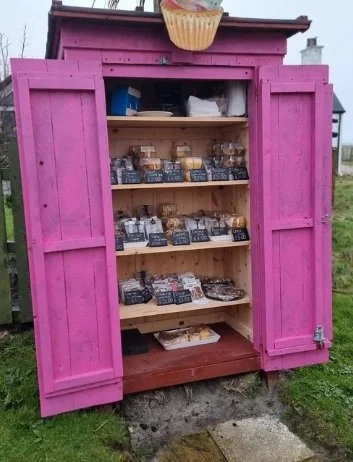
Leave room for local finds: Allow time for a bakery sign, a village café, a fish van, or a roadside produce stall.
Check parking before town visits: Historic towns and harbours can have tight streets.
Balance driving and resting: Plan shorter driving days when you have tastings, long meals, or coastal walks.
If you already own a vehicle and want to understand its resale value before planning an upgrade or sale, a Motorhome valuation guide can help you consider factors such as age, condition, layout, mileage, and market demand.
Which Scottish Food Regions Are Best for a Motorhome Road Trip?
Scottish food regions are areas known for particular produce, cooking styles, drink makers, and hospitality traditions. Each region can become a small route with its own flavour and rhythm.
Some of the strongest regions include:
Edinburgh and the Lothians: Restaurants, bakeries, food markets, bars, and an easy starting point.
Fife: Coastal seafood, farm shops, cafés, and St Andrews.
Perthshire: Farm shops, country cafés, soft fruit, scenic roads, and relaxed stops.
Speyside and Moray: Whisky, seafood, coastal villages, and producer visits.
The Highlands: Venison, beef, whisky, smoked fish, cafés, and big scenery.
Argyll and the Isles: Oysters, shellfish, island produce, and coastal touring.
What Foods and Drinks Should You Build the Trip Around?
Scottish food and drink experiences are the local meals, ingredients, tastings, and producer visits that give the journey its purpose. A food lover’s motorhome trip should be planned around what Scotland grows, catches, bakes, brews, distills, and serves.
Build your route around these categories:
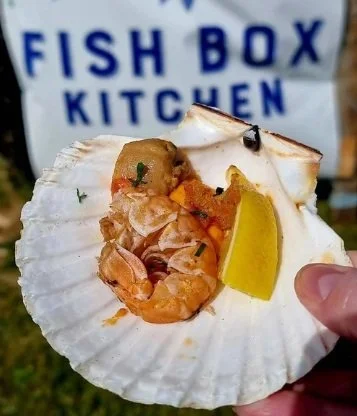
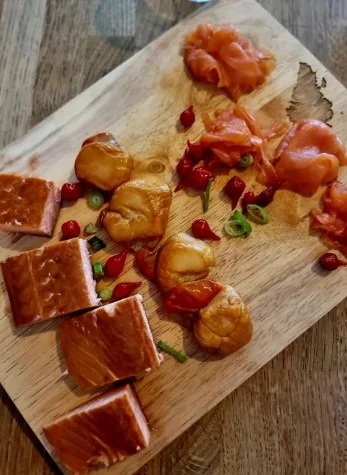
Seafood: Scallops, mussels, oysters, langoustines, crab, smoked salmon, and haddock.
Meat and game: Scottish beef, lamb, venison, black pudding, and haggis.
Bakery stops: Morning rolls, scones, shortbread, pies, oatcakes, and cakes.
Farm shops: Cheese, eggs, preserves, vegetables, berries, and meat.
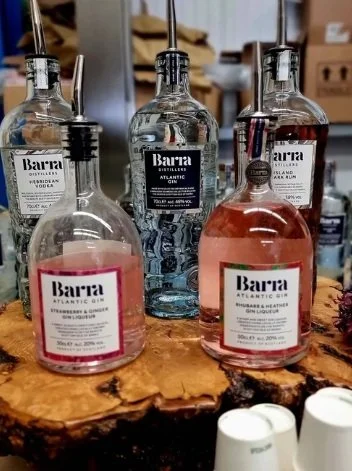
Drinks: Whisky, gin, craft beer, coffee, cider, and alcohol-free Scottish drinks.
Where Should You Stay on a Food-Focused Motorhome Trip?
Overnight stays are safe, legal, and comfortable places where motorhome travellers stop between food destinations. The main types include campsites, touring parks, farm stays, pub stops, aire-style stopovers, and approved overnight parking.
Campsites are best when you need showers, electric hook-up, water, and waste disposal. Farm stays and pub stops can feel more local, especially when food is part of the experience.
Good overnight planning can improve the food side of the trip. Staying near a harbour makes an early seafood lunch easier. Staying near a market town makes breakfast and supplies simple.
How Do You Choose the Right Motorhome for a Scotland Food Road Trip?
Choosing the right motorhome for a Scotland food road trip involves matching the vehicle to road size, sleeping needs, kitchen use, storage, weather, and budget. Scotland has beautiful roads, but many are narrow, winding, exposed, or busy in peak months.
For food lovers, the kitchen and storage setup matter. A useful fridge, safe food storage, comfortable seating, and easy cooking space can turn local ingredients into memorable meals.
If you are still comparing options before a Scotland trip, browsing used motorhomes for sale can help you understand layouts, sizes, prices, and features before speaking with motorhome dealers in the UK markets.
What Mistakes Should Food Lovers Avoid on a Scottish Motorhome Trip?
Food lovers should avoid overplanning, underbooking, poor parking choices, and weak waste planning because these mistakes can turn a rich journey into a stressful one. Scotland rewards patience and punishes rushed itineraries.
Avoid these six common mistakes:
Overload the route: Too many miles reduce time for meals, walks, and local stops.
Ignore booking windows: Popular restaurants, campsites, and tours can fill quickly.
Drive into tight centres without checking parking: Old towns and harbours can be difficult for larger vehicles.
Assume every scenic spot allows overnight parking: Many places have restrictions.
Forget opening hours: Rural cafés, markets, and food producers may close early.
Neglect water and waste: Fresh water, grey water, and toilet disposal need planning.
Conclusion
A Scottish food lover’s motorhome road trip works best when local flavour leads the plan. The motorhome gives freedom, but the food gives the journey its character. Seafood by the coast, whisky near the hills, farm shop lunches, bakery mornings, and quiet campsites can turn a simple route into a rich travel experience.
Choose one main Scottish food region, book key meals and stays early, and leave room for unexpected local discoveries. Those unplanned stops are often the best part of the trip.