
International Students Taste Their Way Through Scotland on Food‑Focused Trips to Glasgow
For International university students, a weekend in Glasgow offers more than a quick city break, it becomes an immersive introduction to Scottish food culture. From traditional dishes like haggis and hearty breakfast rolls to cosy cafés and bustling markets, the city invites students to experience local life through taste, conversation, and shared moments. These short trips blend discovery with comfort, showing how food reflects history, identity, and community in everyday ways, all within a student-friendly, vibrant urban setting.
Why Glasgow Is a Perfect Weekend Classroom for Scottish Food Culture
When university students explore Scottish food culture during weekend trips to Glasgow, they do more than taste new dishes. They step into a lively classroom without walls. The streets become the textbook, cafés become discussion rooms, and every plate tells a small story about Scotland’s history, identity, and everyday life.
Glasgow is one of the best cities for students who want to understand Scottish food in a real and relaxed way. It is friendly, busy, creative, and full of places where food feels close to local life. Unlike a formal lecture, a food trip lets students learn with all their senses. They smell fresh bread in the morning, hear the sound of people chatting in cafés, see menus filled with local words, and taste dishes they may have only read about before.
For many students, weekend trips to Glasgow are also easier to plan than longer holidays. A short visit gives them enough time to explore the city, enjoy local food, and still leave a quiet hour for an assignment or homework in the middle of the day. However, when deadlines feel too heavy, students can turn to the academic support service PapersOwl for professional guidance and editing. This way, they do not have to let coursework take over the whole trip. They can arrive on Friday evening, enjoy a casual dinner, visit markets or food spots on Saturday, finish important study tasks, and still enjoy a slow Sunday breakfast before going back to campus.
Scottish food culture is not only about famous dishes like haggis or shortbread. It is also about comfort, community, and local pride. Food in Glasgow often feels like a warm jumper on a cold day. It is practical, filling, and full of character. Students quickly notice that eating in the city is not just about what is on the plate. It is about who you share it with, where you eat it, and the stories behind it.
This is why Glasgow works so well for student travel. The city mixes old traditions with modern tastes. You can find classic Scottish breakfasts, fish suppers, homemade soups, international food, plant-based options, and creative cafés all within the same weekend. That mix helps students see Scottish food culture as something alive, not frozen in the past.


From Breakfast Rolls to Haggis: First Tastes That Surprise Students
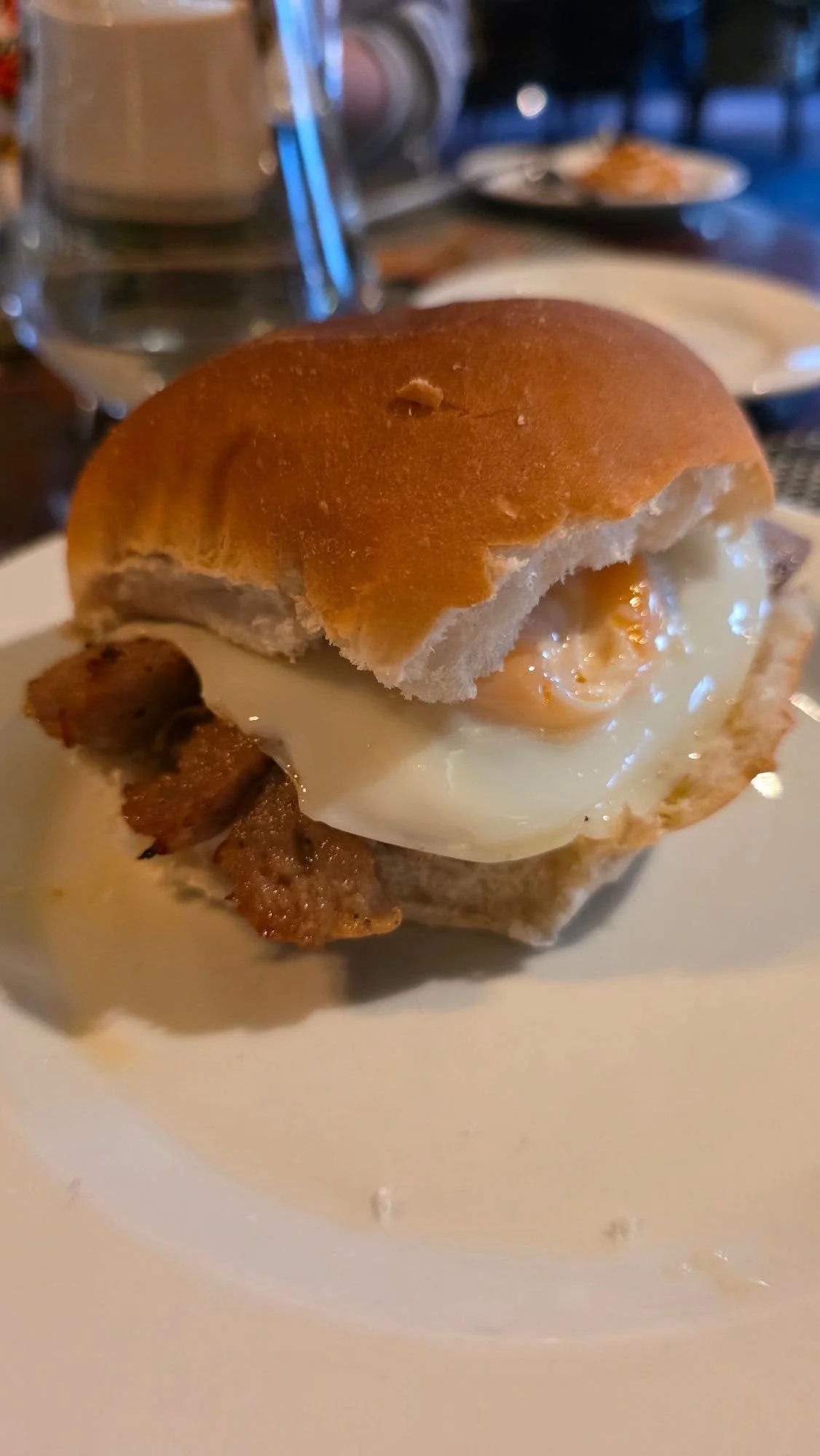
The first food surprise for many students often comes at breakfast. In Glasgow, breakfast can be simple, strong, and satisfying. A morning roll filled with sausage, bacon, egg, or a tattie scone may not look fancy, but it has a special kind of charm. It is quick, hot, and perfect before a long day of walking around the city.
Students who are used to light breakfasts may be surprised by how filling Scottish morning food can be. A full Scottish breakfast can include eggs, sausage, bacon, beans, mushrooms, tomatoes, toast, black pudding, and tattie scones. It is not the kind of meal you rush. It invites you to sit down, talk, and prepare for the day like you are fueling a small engine.
Then comes the dish many visitors are most curious about: haggis. Some students approach it with excitement, while others look at it like it is a dare. But once they try it, many realise it is not as strange as they expected. The flavour is rich, peppery, and warm. It has the feeling of traditional home cooking, even for people tasting it for the first time.
Haggis, Neeps and Tatties: More Than a Stereotype
Haggis is probably Scotland’s most famous traditional dish, but it is often misunderstood. For students exploring Scottish food culture in Glasgow, trying haggis can feel like crossing a bridge between stereotype and reality. Before tasting it, many know only the jokes or the dramatic descriptions. After tasting it, they usually understand why it has lasted for so long.
The classic serving of haggis, neeps and tatties brings together haggis, mashed turnips, and mashed potatoes. It is simple, earthy, and balanced. The potatoes soften the strong flavour of the haggis, while the neeps add sweetness. Together, they create a dish that feels old-fashioned in the best way.
What makes this experience important is not only the food itself. It is the conversation around it. Students ask questions. Where did the dish come from? Why is it linked to Scottish identity? Why do people eat it on Burns Night? These questions turn a meal into cultural learning. A plate of haggis becomes more than lunch. It becomes a story you can eat.
Modern Glasgow also gives students different ways to try haggis. Some places serve it in traditional form, while others include it in pies, burgers, bon bons, or vegetarian versions. This shows students that tradition does not have to sit still. Like music, language, and fashion, food changes with each generation.
Sweet Treats, Tea Breaks and the Comfort of Scottish Baking
Of course, Scottish food culture is not only savoury. Students with a sweet tooth can enjoy plenty of comforting treats during a Glasgow weekend. Shortbread is one of the best-known Scottish sweets, and its buttery taste makes it easy to love. It is simple, but that is its strength. Like a good song with only a few chords, it does not need to be complicated to be memorable.
Students may also discover tablet, a very sweet Scottish confection with a crumbly texture. It is richer than fudge and often surprises people with its intense sweetness. One small piece can feel like enough, especially with tea or coffee. For students who enjoy trying local snacks, tablet is a fun discovery.
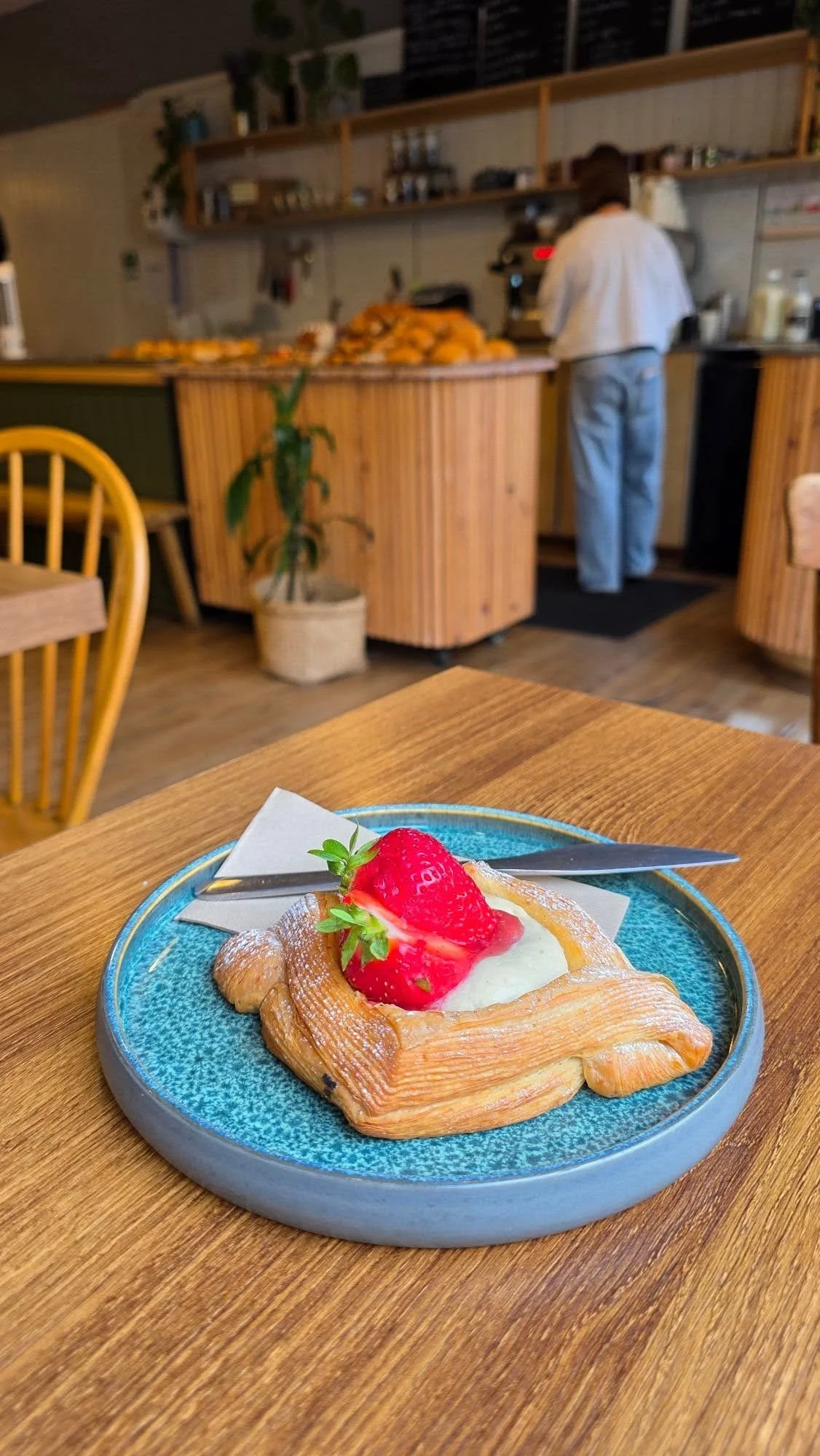
Cafés and bakeries also offer cakes, scones, pastries, and traybakes that fit perfectly into a relaxed afternoon. A tea break in Glasgow can become a pause button during a busy weekend. After walking through museums, shopping streets, parks, or riverside paths, students can sit down, warm their hands around a cup, and talk about what they have seen.
This part of Scottish food culture teaches something gentle but important. Food is not always about big meals. Sometimes it is about rest. Sometimes it is about slowing down. In student life, where everything can feel like deadlines, exams, and part-time work, that lesson matters.
Markets, Cafés and Chippies: Where Students Learn Through Eating
One of the best ways for International university students to explore Scottish food culture during weekend trips to Glasgow is by visiting different eating spaces. Each space has its own mood. A market feels social and energetic. A café feels personal and calm. A chip shop feels casual, direct, and deeply connected to everyday life.
Markets are especially useful for students because they show food as part of a wider local economy. Students can see fresh produce, baked goods, street food, and small food businesses in one place. They may speak with sellers, ask about ingredients, and notice how local products sit beside global flavours. It is a reminder that Scottish food culture is not closed or narrow. It has roots, but it also has open doors.
Cafés play another important role in Glasgow’s food scene. For students, they are often more than places to eat. They are spaces to study, meet friends, read, plan the day, or simply escape the rain. Glasgow cafés often mix comfort with creativity. You might find porridge, soup, sandwiches, cakes, strong coffee, and modern brunch dishes all sharing the same menu.
Then there is the classic chippy. A fish supper from a chip shop is a key part of Scottish food culture for many people. Crispy battered fish, hot chips, salt, vinegar, and maybe a sauce on the side create a meal that is simple but powerful. It is not fine dining, but it does not try to be. It is street-level comfort food.
For students, eating from a chippy can feel like joining a local rhythm. People stop in after work, after a night out, or during a busy day. The food is quick, warm, and familiar. It shows how culture often lives in ordinary routines, not only in museums or special events.
Glasgow also has a strong international food scene, and this matters too. Students exploring Scottish food culture may also eat Indian, Pakistani, Italian, Chinese, Middle Eastern, or vegan food during their trip. At first, that may seem separate from Scottish tradition, but it is actually part of the city’s modern identity. Glasgow’s food culture has grown through migration, student life, creativity, and changing tastes.
Food, Friendship and Identity: What Weekend Trips Teach Beyond the Menu
The best food memories from student weekend trips are rarely only about taste. They are about people. A group of students sharing a first bite of haggis, laughing over messy chips, or arguing about the best dessert will remember those moments long after the trip ends. Food turns travel into connection.
When university students explore Glasgow together, they learn how food builds friendship. Ordering unfamiliar dishes can make people feel nervous, but doing it as a group makes it fun. Someone becomes brave and tries the first bite. Someone else takes photos. Another person says, “Actually, that’s better than I expected.” Suddenly, the meal becomes a shared story.
Food also helps international students understand Scotland in a more personal way. A textbook might explain national symbols, but a meal gives those symbols texture and flavour. Trying local dishes helps students feel closer to the place where they are studying. It can turn Scotland from a location on a map into a lived experience.
At the same time, Scottish students may see their own culture differently when they travel with classmates from other countries. A dish they grew up with may become interesting again when someone asks about it. Why do people eat tattie (potato) scones? What is the difference between fudge and tablet? Why is Irn-Bru so popular? Simple questions can make familiar things feel fresh.
There is also a deeper lesson here. Food culture shows that identity is layered. Glasgow is Scottish, but it is also working-class, student-friendly, multicultural, modern, artistic, and constantly changing. Its food reflects all of that. Like a city made of many voices, Glasgow’s food scene speaks in different accents.
Weekend trips give students the time and freedom to notice these layers. They are not rushing through a checklist. They are walking, eating, talking, and observing. That slow discovery is part of what makes food travel so valuable. It teaches students to pay attention.
How Students Can Plan a Budget-Friendly Glasgow Food Adventure
A food-focused weekend in Glasgow does not need to be expensive. Students can enjoy Scottish food culture on a reasonable budget if they plan with a little care. The key is balance. They can mix one or two special meals with cheaper snacks, bakery items, market food, and casual cafés.
A smart plan might start with a filling breakfast roll or porridge in the morning. For lunch, students can try soup, a sandwich, a pie, or market food. In the evening, they might choose haggis, a fish supper, or a relaxed pub-style meal. Between meals, they can share sweet treats like shortbread, tablet, or cake. Sharing is a great student strategy because everyone gets a taste without spending too much.
Students should also leave space for surprise. Some of the best food experiences happen without planning. Maybe they walk past a bakery that smells too good to ignore. Maybe a local person suggests a small café. Maybe rain pushes them into a warm place they would never have noticed on a sunny day. In Glasgow, these small surprises can become the best part of the weekend.
It is also helpful to think beyond restaurants. Parks, riverside walks, museums, and neighborhoods can all become part of the food journey. Students might buy snacks and eat outside when the weather allows. They might visit a museum café between exhibitions. They might explore different areas of the city and compare how each one feels. Food becomes the thread that ties the weekend together.
For students who follow vegetarian, vegan, halal, gluten-free, or other diets, Glasgow usually offers many flexible choices. This makes the city more welcoming for mixed groups. Nobody has to feel left out of the experience. In fact, trying different versions of Scottish dishes can make the trip even more interesting. A vegetarian haggis, for example, can open a conversation about how traditional food adapts to modern values.
In conclusion, when university students explore Scottish food culture during weekend trips to Glasgow, they discover much more than meals. They learn about history, comfort, identity, friendship, and city life through every bite. Glasgow gives them a rich and welcoming food adventure, from haggis and tattie scones to cafés, chippies, markets, and sweet treats. A weekend may seem short, but with the right appetite and an open mind, it can become a lasting lesson in culture, connection, and the simple joy of sharing food.