
If you’re driving between Scotland and Buckinghamshire this Christmas, you won’t be alone. December is one of the busiest months on that route. Plenty of families from Edinburgh, Glasgow and Fife head down to see relatives in the Chilterns, and just as many from Aylesbury go the other way to spend Hogmanay with family up north. The boot is usually full of presents before anyone has thought about the route, and most people have a rough idea of where they’ll stop for lunch. Very few think about the tyres. It’s a long drive though, often seven or eight hours in whatever weather December decides to throw at you, and the tyres are doing the hard work the whole way. Getting your tyres in Aylesbury checked before you set off, or before you head home, is one of the simplest ways to avoid a stressful trip.
Tyres are easy to forget because they rarely look like anything is wrong with them. One that seems fine on the driveway can start to struggle after a few hours at motorway speed, especially if the pressure has been creeping down for weeks. If you’ve noticed one keeps going soft, don’t just keep topping it up. Shorter days, wet leaves and frosty mornings all make grip more important at this time of year, so it’s worth having the tread looked at now rather than after a warning light comes on. If replacements are due for your tyres in Aylesbury, book in with Complete Tyre & Autocare so you’re ready for whatever winter brings.
Tread Depth and Wet Motorways
Your tread is what clears water from under the tyre. When it gets low, the tyre can’t move the water away fast enough and starts to skim over it, which is when the steering feels light and vague in heavy rain. The legal minimum in the UK is 1.6mm across the central three-quarters of the tread. Many safety experts suggest changing tyres at around 3mm, though, because wet braking distances get noticeably longer below that. Most tyres have small raised bars in the grooves called tread wear indicators, and if the tread is level with them, you’ve reached the legal limit. Getting caught on illegal tyres can mean a fine of up to £2,500 and three penalty points per tyre, which is not something anyone wants on top of Christmas spending.
Summer, Winter or All-Season?
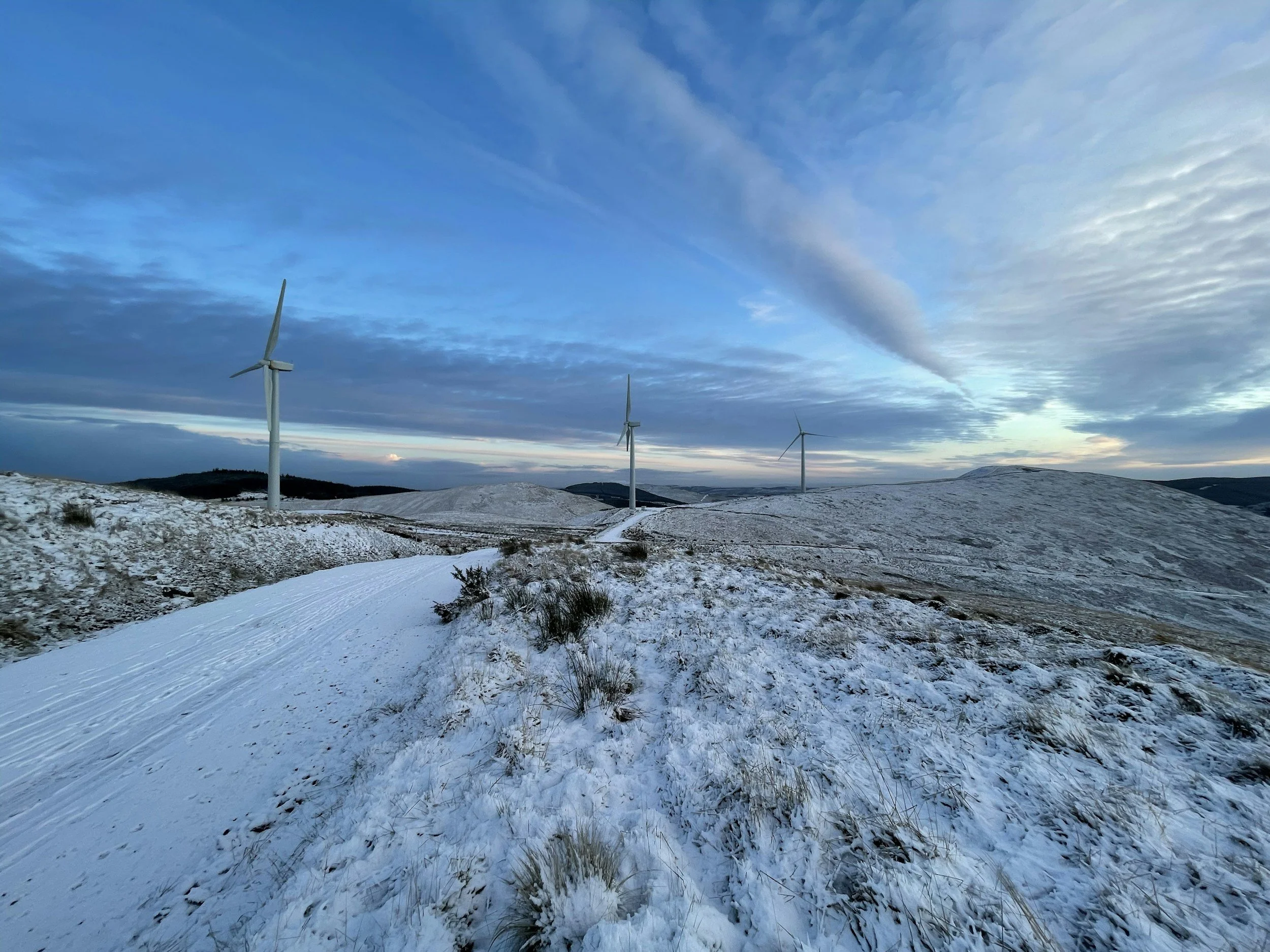
Most drivers in Buckinghamshire never think about tyre type, and that’s understandable. Winters here tend to be wet rather than snowy. It’s a different story if you’re heading to Scotland. Standard summer tyres lose some of their grip once it drops below about 7°C, because the rubber hardens. Winter and all-season tyres use a softer compound and have lots of small cuts in the tread, called sipes, which help on slush and wet roads. To check what you’ve got, look at the sidewall. A three-peak mountain snowflake symbol means the tyre has passed a proper snow test. M+S on its own just stands for mud and snow and isn’t tested to the same standard.
Leaving the Car Parked Over Christmas
If the car sits on someone’s driveway for a week, whether that’s in Aylesbury or Aberdeen, the tyres can develop flat spots. In the cold, the section touching the ground stiffens and holds that shape, so you might feel a thump or a bit of vibration when you first drive off. It normally goes once the tyres warm up. If it’s still there after 10 or 15 minutes, get it checked before the long drive home. Moving the car a few feet every couple of days helps avoid it, and it’s worth checking the pressures before you leave too, as they drop in cold weather.


Frosty Mornings and Cold Tyres in Aylesbury
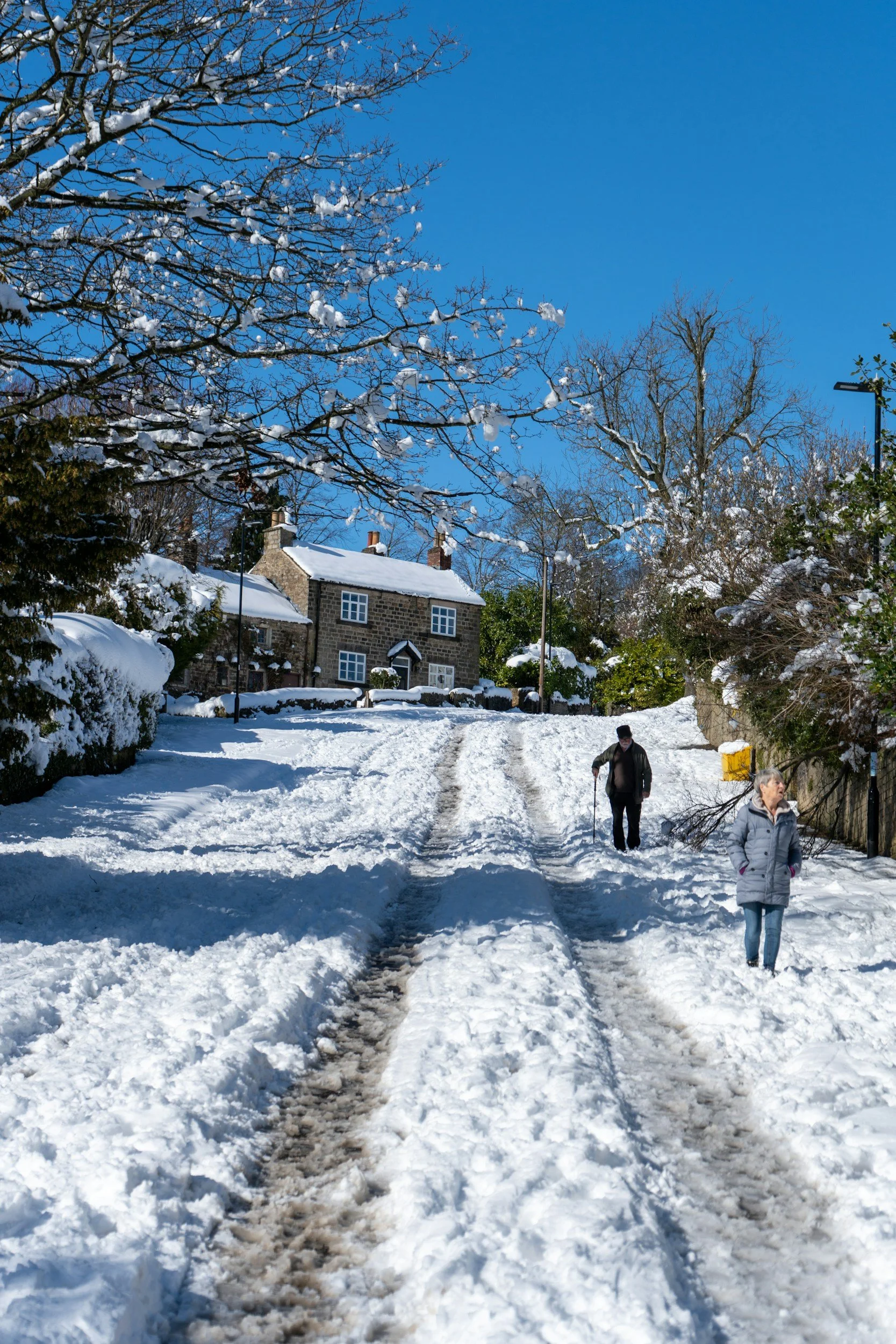
Tyres don’t grip as well until they’ve warmed up, and on a cold morning that takes longer than you’d think. The first few miles are usually the trickiest part of the journey anyway: icy driveways, untreated lanes around the Vale of Aylesbury, quiet back roads towards the Chilterns. Take it easy to begin with. Brake gently, accelerate gradually and give the tyres a chance to warm up before you get onto faster roads. This is even more important if you’re on older or part-worn tyres in Aylesbury, as there’s less tread to work with when the surface is cold and slippery.
Snow Socks Are Worth Packing
If you’re going further north, to the Highlands, Aberdeenshire or the Cairngorms, a set of snow socks is a good idea. They’re fabric covers that go over the driven wheels and take a few minutes to fit. They make a real difference on snow and packed ice, they fold up small, and they’re much cheaper than a set of winter tyres. Sometimes they’re the only thing that gets you up the lane to a remote cottage. Try fitting them once at home, because doing it for the first time in the dark on a freezing verge is no fun. Just remember they’re for snow only, so take them off once you’re back on a clear road.
Check the Spare (If You Have One)
A lot of newer cars don’t come with a full-size spare. You might have a puncture repair kit under the boot floor or a thin space-saver wheel instead. Space-savers are usually limited to 50mph, so they’ll get you to a garage but not much further, and it’s worth checking the pressure in yours since it has probably been ignored for years. Repair kits will deal with a small puncture in the tread but won’t fix damage to the sidewall. And before you leave, find the locking wheel nut key. It’s always the one thing nobody can find at the side of the road.
Getting There Without the Stress
Most of us just want to arrive, get the kettle on and enjoy some time with family. Whether you’re heading for a pub lunch in the Chilterns or your first sight of snow on the Pentlands, the last thing you want is to be worrying about the car. Sorting out tyres in Aylesbury before the holidays takes one job off the list and leaves you free to argue about where to stop for cake instead.