
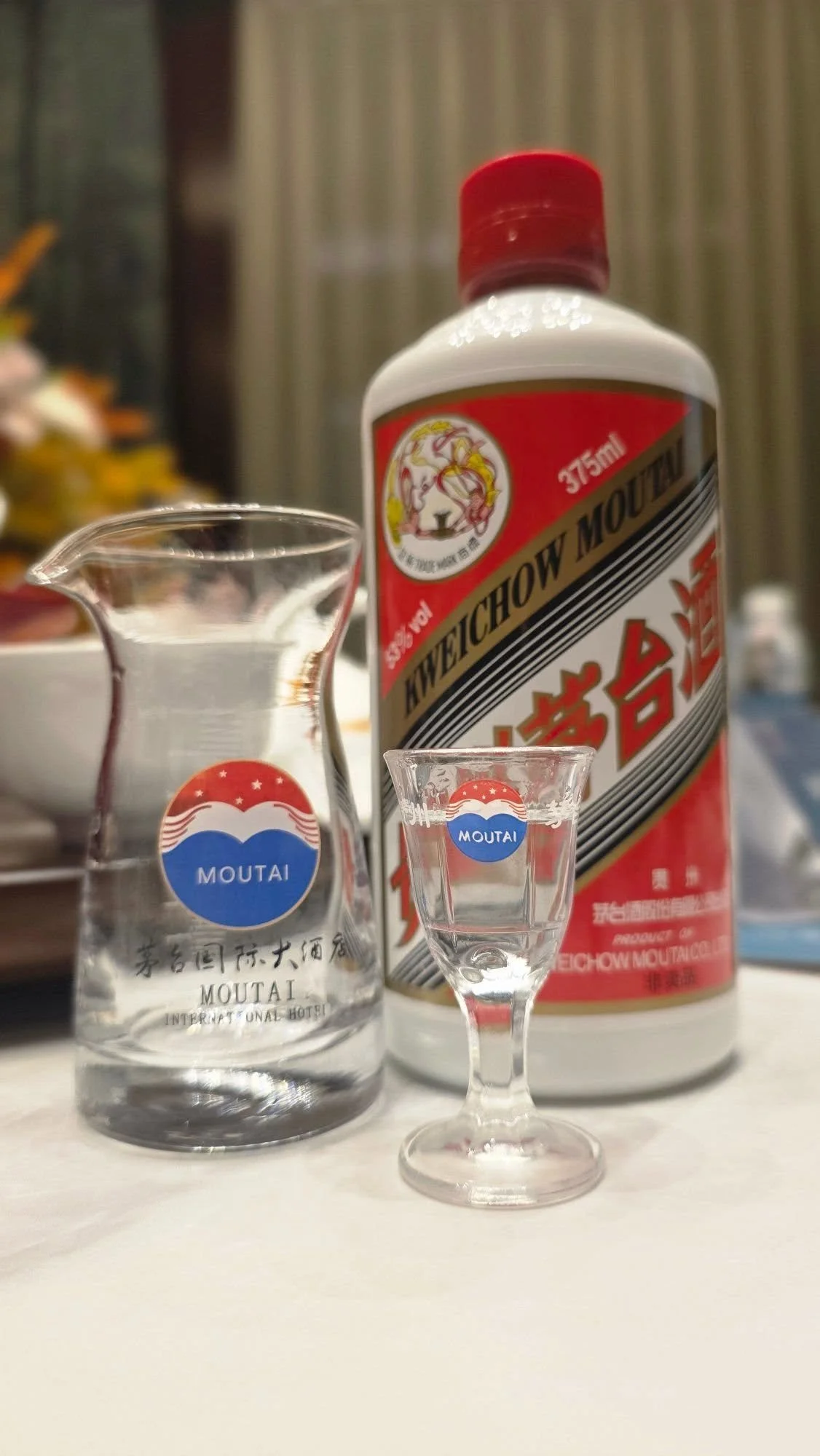
Scotland has whisky. France has Cognac. Mexico has tequila. China has baijiu, and towering above them all is Moutai.
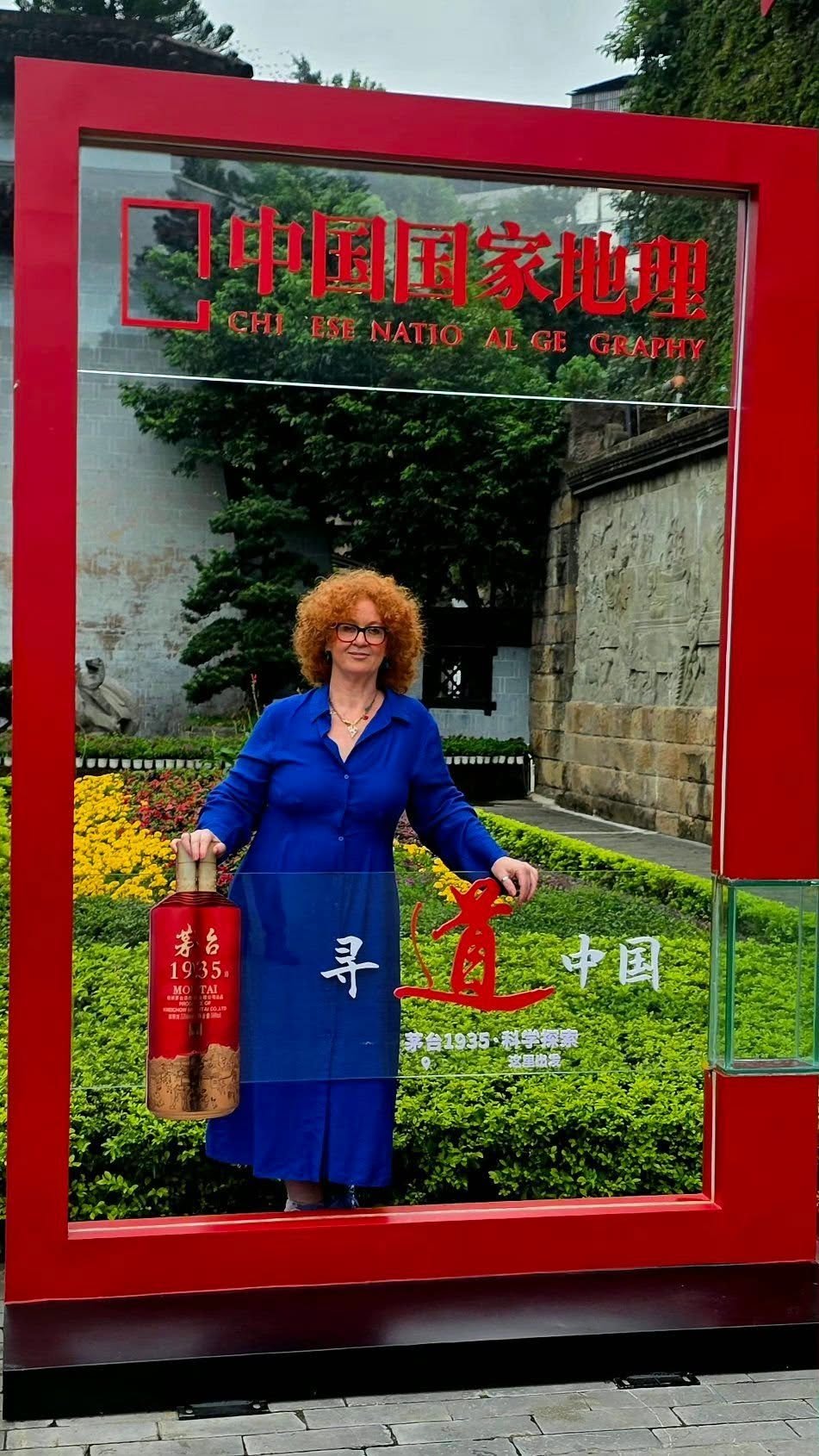
Before travelling to China's Guizhou Province, I knew very little about baijiu beyond its reputation as the world's most consumed spirit. What I didn't appreciate was the sheer scale of its cultural significance, nor the extraordinary complexity behind a bottle of Moutai, China's most famous premium spirit. During a visit to Maotai Town and the vast Moutai distillery that dominates it, I discovered a spirit whose production process makes even the most intricate whisky-making traditions feel comparatively straightforward.
What begins with just three ingredients, sorghum, wheat and water, becomes a five-year journey of fermentation, distillation, ageing and blending that relies as much on nature as it does on human expertise. Every bottle is the result of centuries of tradition, a unique local environment and thousands of pairs of hands working together.
The story of Moutai starts in the town from which it takes its name. Nestled in a valley on the banks of the Chishui River in Guizhou Province, Maotai Town is unlike anywhere else in China. Surrounded by mountains, the town benefits from a unique microclimate of hot summers, mild winters, high humidity and very little wind. Over centuries, these conditions have helped create an extraordinary microbial ecosystem that plays a crucial role in Moutai's production. More than 3,300 microbial genera have been identified in the area, leading to a phrase repeated throughout our visit: "Moutai cannot be made outside Maotai Town."
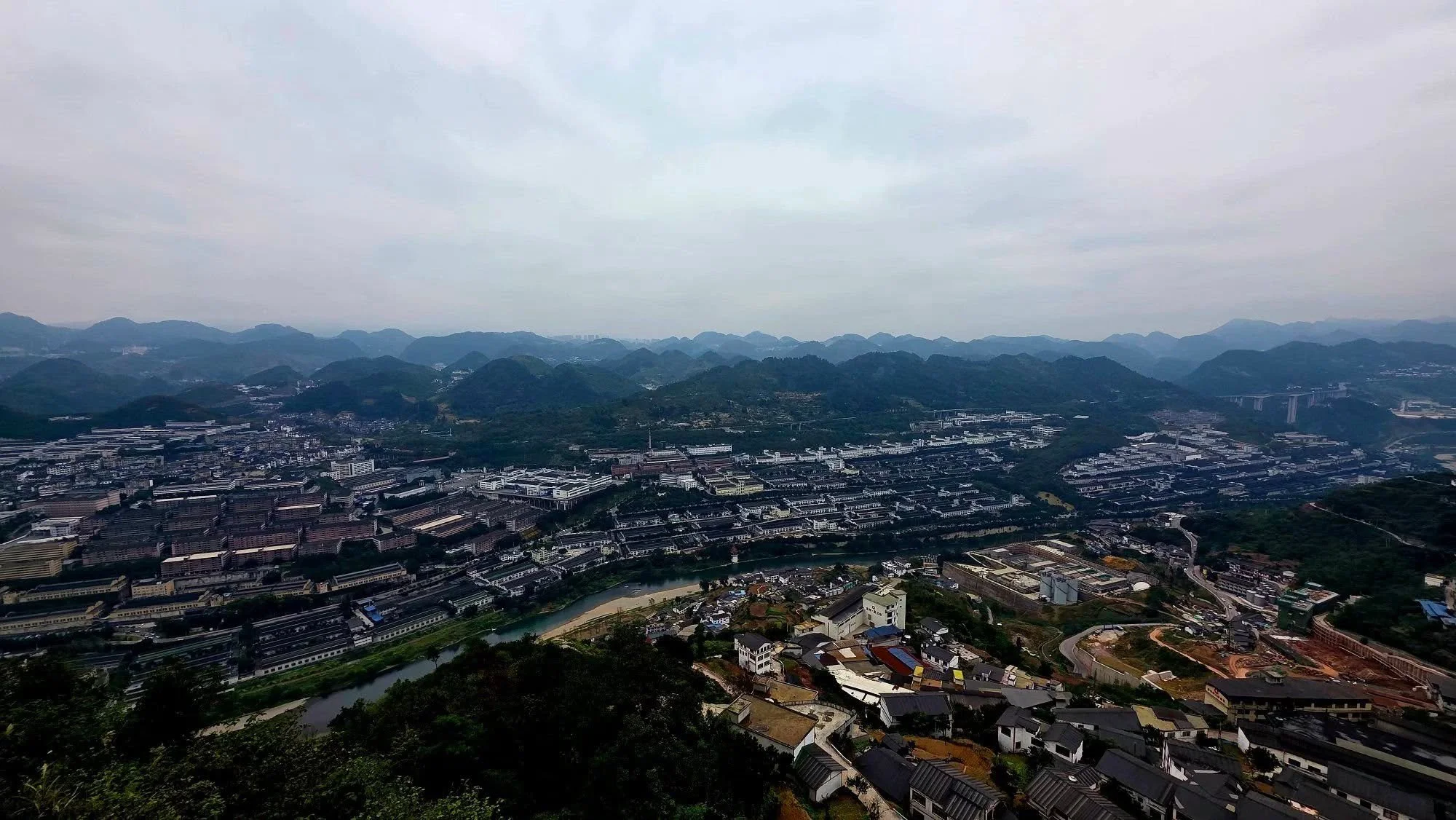
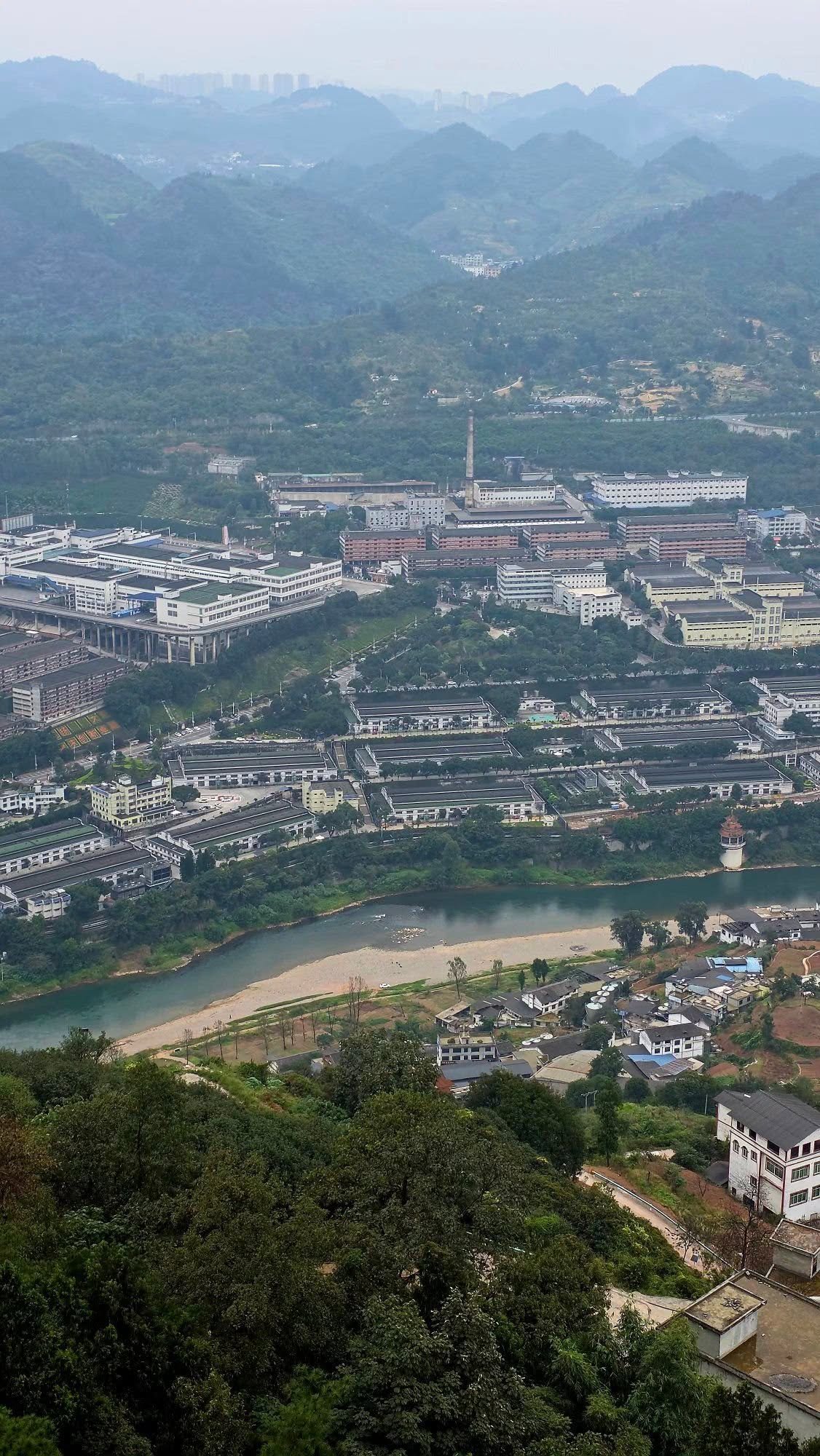
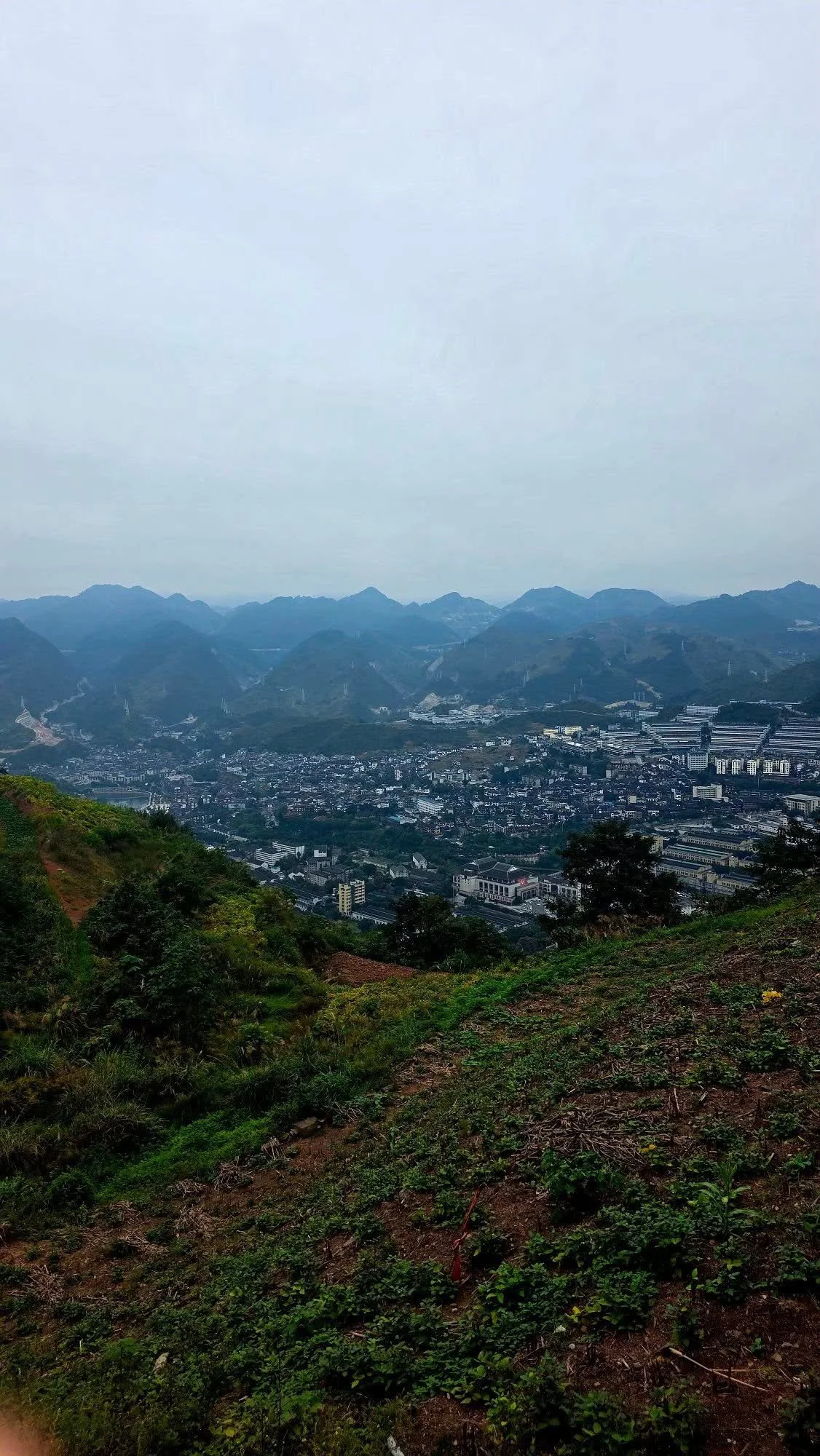
At the heart of Maotai Town sits the Moutai Group, one of China's most recognised drinks companies and the producer of the country's most famous baijiu. Headquartered on the banks of the Chishui River, the company traces its origins to the historic Chengyi, Ronghe and Hengxing distilleries, whose combined heritage spans more than a century. Today, Moutai Group has expanded far beyond spirit production, with interests including cultural tourism, finance, education and agriculture. However, its flagship product remains Kweichow Moutai, the iconic sauce-aroma baijiu that has become a symbol of Chinese craftsmanship and hospitality. Combining centuries-old production methods with modern innovation, the company continues to play a central role in preserving and promoting one of China's most important food and drink traditions.
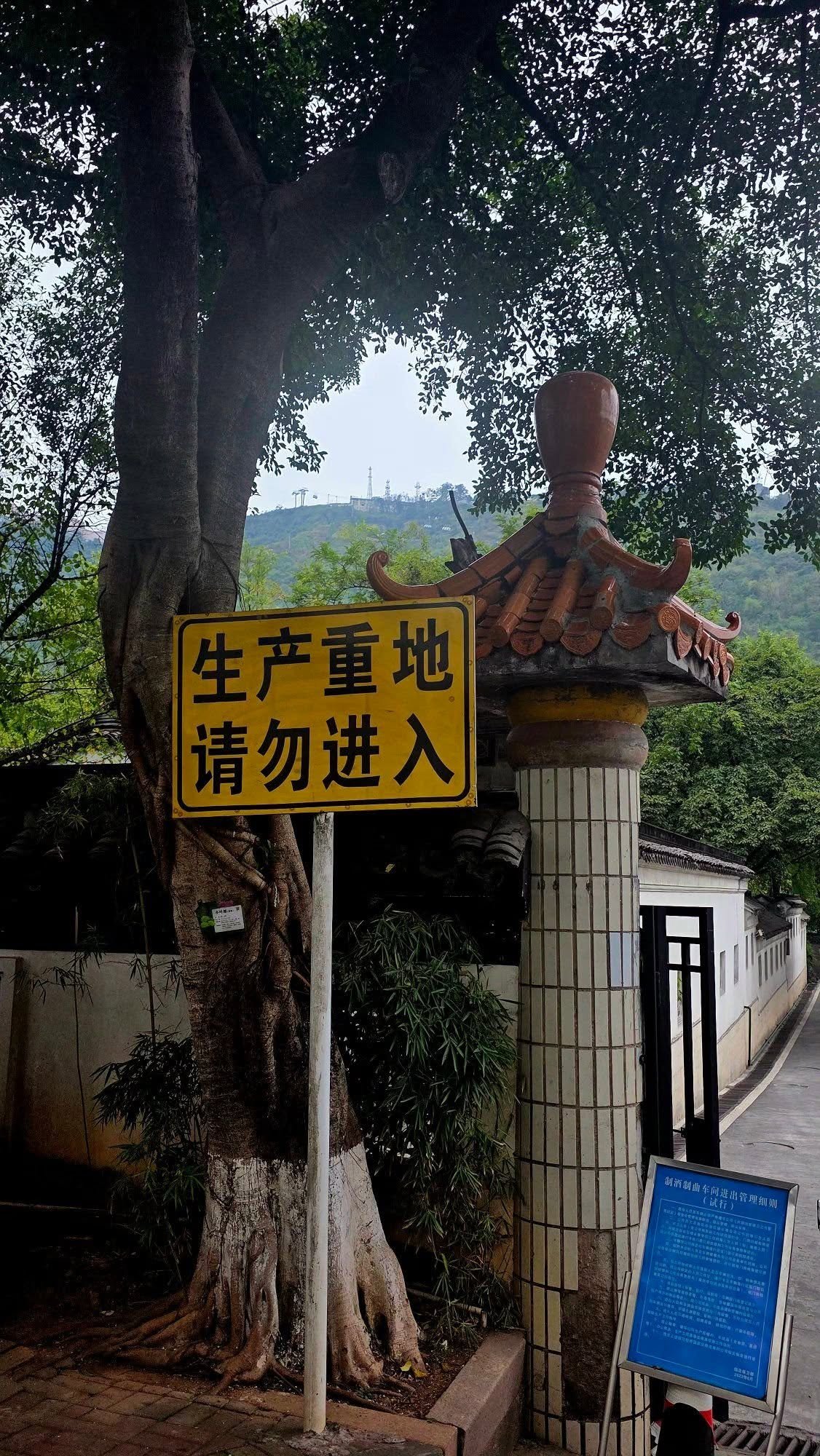
The town itself feels entirely devoted to the spirit that made it famous. Distillery buildings climb the hillsides above the Chishui River, their presence impossible to ignore. Historic production sites sit alongside modern facilities, creating a landscape where tradition and innovation exist side by side. Walking through the complex, it quickly becomes clear that Moutai is not simply a drink. It is part agriculture, part science, part cultural heritage and part national treasure.
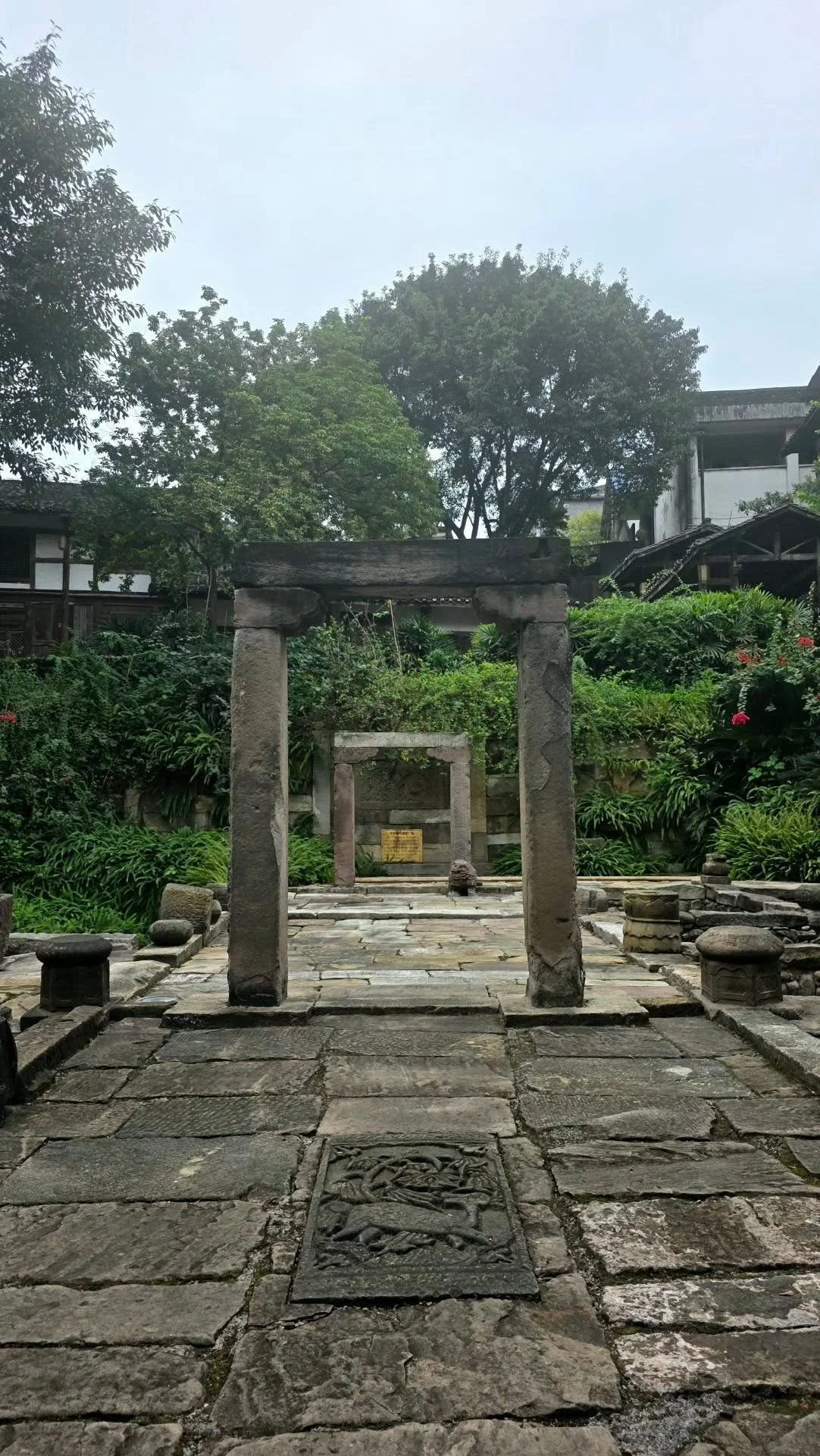
That connection between spirit and place stretches back more than 2,000 years. Records show alcohol was being produced in the region as early as 135 BC during the Han Dynasty, when a local spirit known as Ju Jiang was presented to the imperial court. The modern Moutai story can be traced to three historic distilleries: Chengyi, founded in 1862, Ronghe in 1879 and Hengxing in 1929. These producers eventually formed the foundations of the state-owned Moutai Distillery established in 1951. Today, those original sites still stand within the wider complex, a reminder that despite its global reputation, Moutai's roots remain firmly embedded in tradition.
Although baijiu is often translated as "white liquor", that description barely scratches the surface. Distilled from grain and fermented using a starter culture known as qu, baijiu has been part of Chinese culture for around 6,000 years. It appears at weddings, festivals, family gatherings, business dinners and official state banquets. While thousands of distilleries operate throughout China, Moutai occupies a special position as the country's most famous example of sauce-aroma baijiu.
Baijiu is far more diverse than many people realise. While Moutai is the best-known example internationally, China recognises several distinct aroma styles, each with its own production method and flavour profile. The three most famous are Sauce Aroma (Jiàng Xiāng), Strong Aroma (Nóng Xiāng) and Light Aroma (Qīng Xiāng) baijiu. Sauce-aroma baijiu, of which Moutai is the leading example, is known for its complex savoury character, often described as roasted nuts, fermented soybeans, cocoa, dried fruit and umami-rich notes. Strong-aroma baijiu tends to be fruitier and sweeter, with flavours of pineapple, anise, ripe pear and tropical fruit, while light-aroma baijiu is cleaner and more delicate, offering subtle grain, floral and fresh citrus characteristics. Together these styles showcase the extraordinary variety that exists within China's national spirit category.
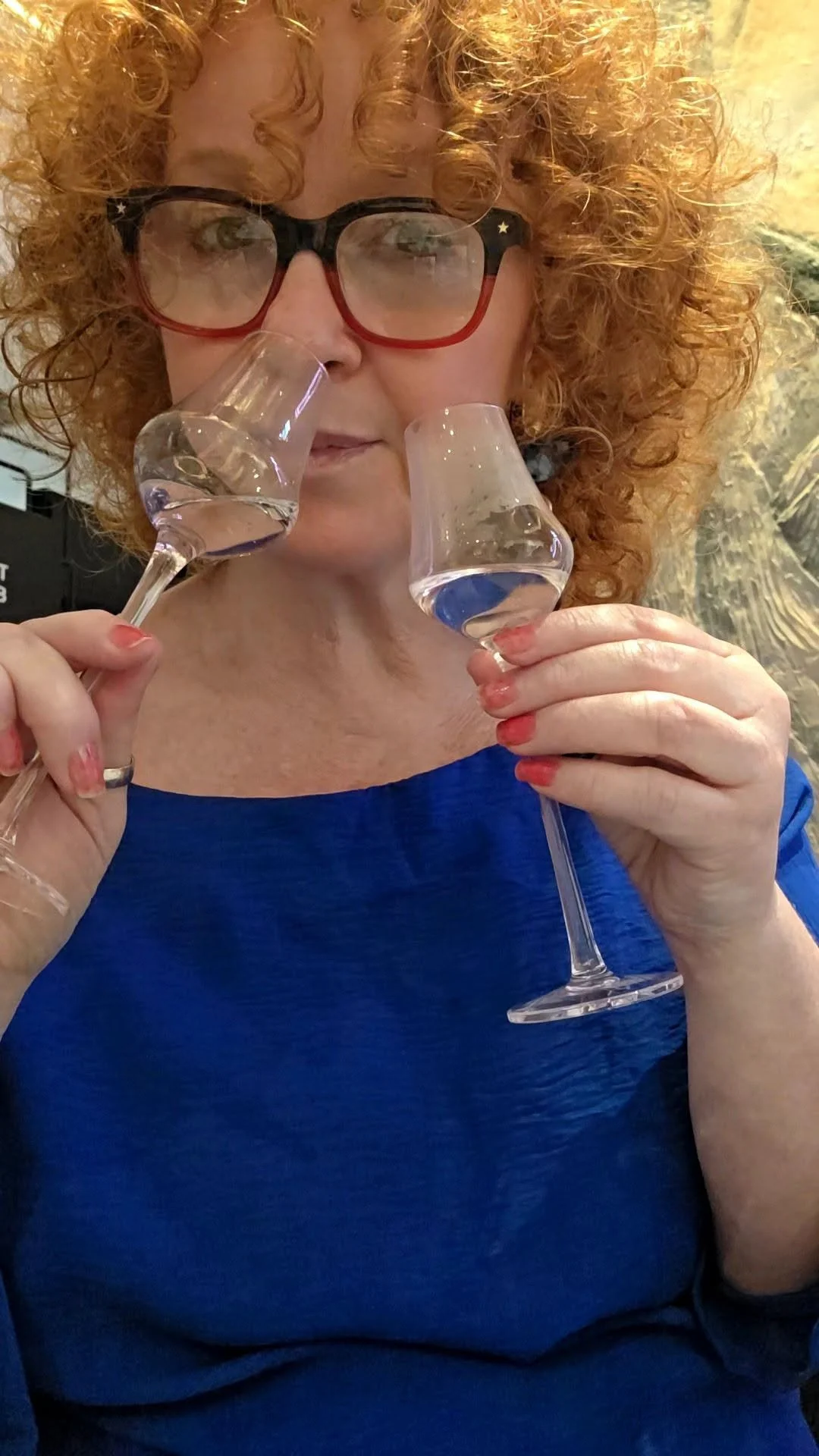
Beyond these three major styles, there are also rice-aroma, sesame-aroma, phoenix-aroma and mixed-aroma baijius, each reflecting the ingredients, climate and traditions of different regions of China. What makes baijiu particularly fascinating is that its flavours can range from light and floral to deeply savoury and intensely complex. Moutai's signature sauce-aroma style is often considered the most intricate, with more than 300 identified aroma compounds contributing notes of toasted grain, coffee, honey, roasted chestnuts, dried fruit and the distinctive umami character known as "Maoxiang". For newcomers, baijiu can be surprising on first taste, but much like Scotch whisky, the deeper you explore the category, the more layers of flavour and regional character you discover.
What makes Moutai remarkable is that it begins with only three ingredients: local red glutinous sorghum, wheat and water sourced from the Chishui River valley. The simplicity ends there.
Unlike whisky, rum or vodka, where the liquid itself is fermented before distillation, baijiu follows a different path. Once fermentation has taken place, it is the fermented grains that are distilled rather than the liquid. This seemingly small difference has a huge impact on the aromas and flavours that develop throughout the process.
The journey begins with qu, the fermentation starter that many consider the soul of Chinese spirits. Each year around the Dragon Boat Festival, locally grown wheat is ground, mixed with water and combined with a small amount of starter from the previous year's production. Workers then shape the mixture by hand into large bricks before stacking them beneath straw.
Listening to this being explained, I was struck by just how little has changed over generations. The qu bricks ferment for around forty days, reaching temperatures of up to 60°C before spending a further six months maturing. The process helps cultivate the microorganisms that ultimately become responsible for Moutai's distinctive character.
Production proper begins around the Double Ninth Festival when the local sorghum harvest arrives. The production cycle is often summarised using the numbers 12987 - one production cycle takes place each year, involving two additions of grain, nine rounds of steaming, eight rounds of fermentation and seven rounds of distillation.
On paper that sounds impressive. In reality it is exhausting.
What surprised me most about the Moutai distillery was not its scale but the number of people involved. Coming from Scotland, where visitors will mostly see sophisticated automated systems moving malt and spirit through a distillery, the contrast could not have been greater.
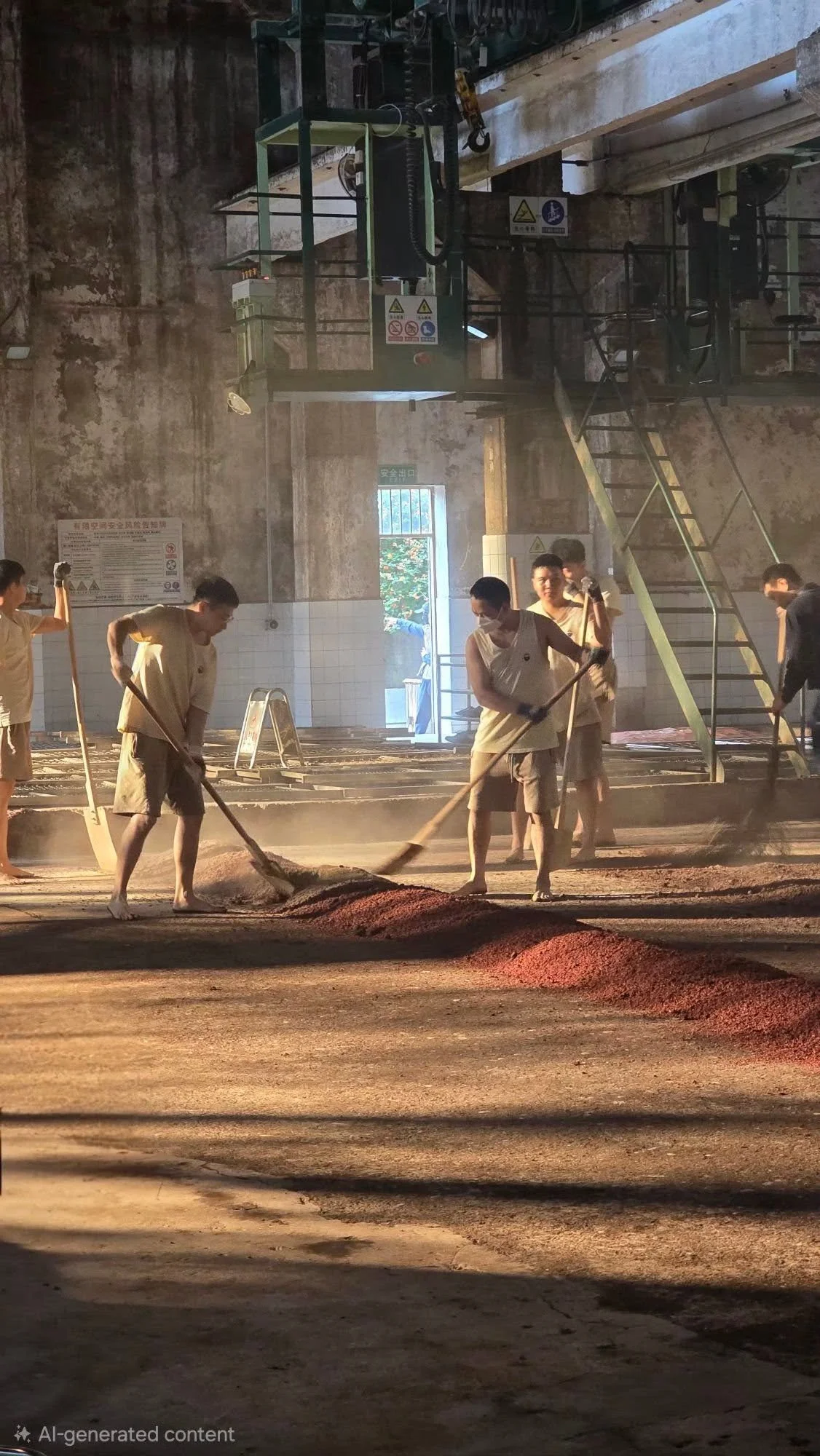
Throughout the production halls, workers manually spread, turn and move vast quantities of sorghum using large wooden paddles. Rooms of workers laboured over steaming grain, carefully monitoring temperature, moisture and consistency. At times it felt less like a modern distillery and more like witnessing a centuries-old craft taking place on an industrial scale.
The first batch of sorghum is ground, mixed with hot water and steamed before being cooled and combined with qu. Around a month later, the second grain addition takes place. The grain is then piled onto the floor for open-air fermentation, where it remains for approximately a week at temperatures between 50°C and 60°C.
It is during this stage that the environment of Maotai Town truly comes into play. The grain absorbs naturally occurring microorganisms from the surrounding air, effectively capturing the unique characteristics of the valley itself. The grain is then transferred into deep stone fermentation pits, sealed with mud and left to ferment for around a month.
After fermentation comes distillation, but even here there are no shortcuts. The same grain is repeatedly fermented and distilled seven times over many months. Each round produces spirit with its own distinct characteristics. Early rounds tend to be lighter and grain-driven, while later rounds develop deeper roasted and savoury notes. Distillers particularly value the third, fourth and fifth rounds, known as the "golden rounds", which provide much of the balance and complexity found in the finished spirit.
For Scotch whisky drinkers, perhaps the easiest comparison would be imagining a distillery producing seven separate styles of spirit from the same batch of grain and then blending them together to create a final expression. It is a level of complexity that is difficult to appreciate until you see it in person.
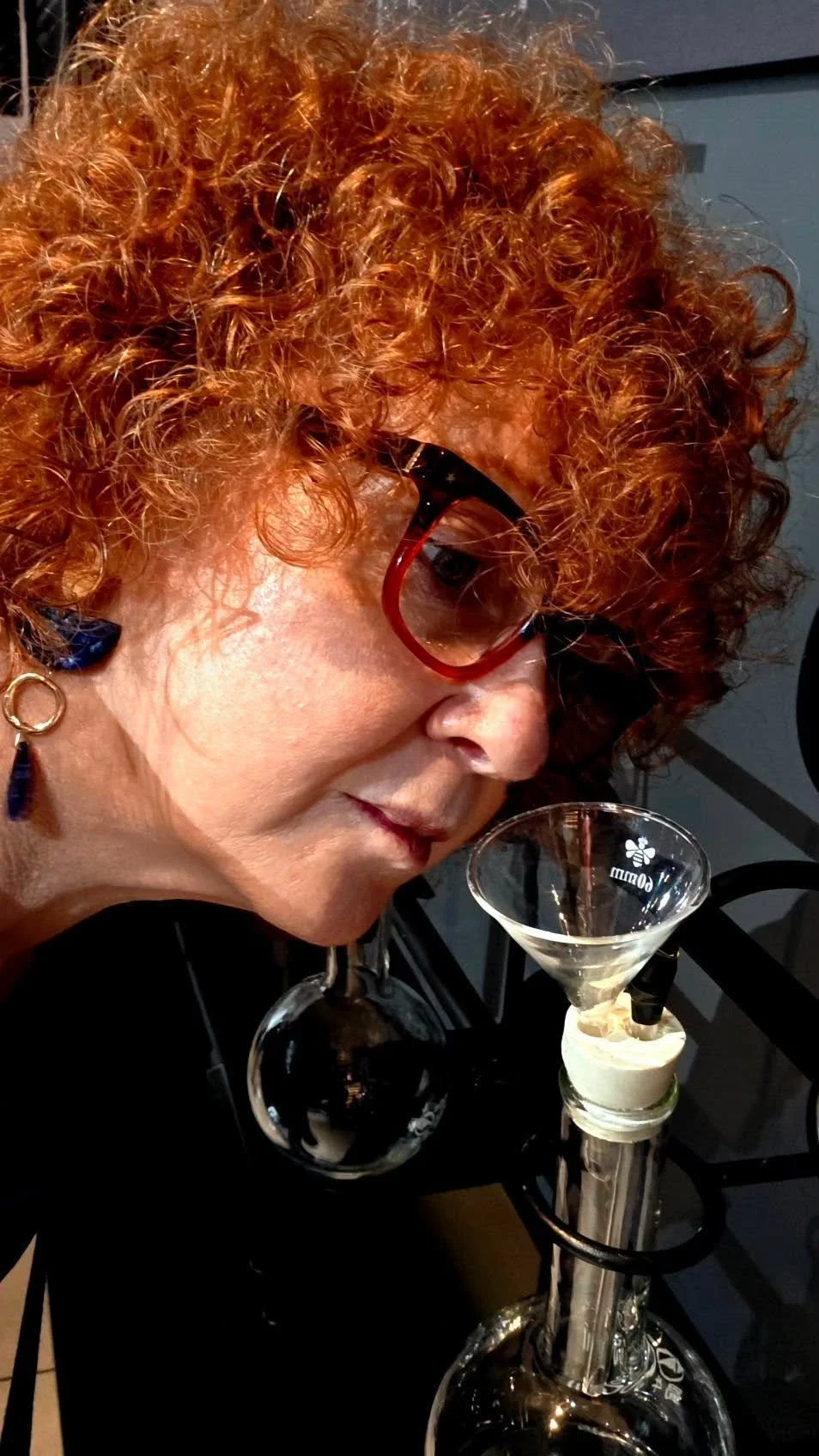
The resulting spirit develops a remarkable spectrum of aromas, from fruit, honey and grain through to toasted nuts, coffee, roasted chestnuts and the savoury soy-like notes that define the sauce-aroma style. More than 300 aroma compounds have been identified in Moutai.
Yet the spirit's journey is only halfway complete.
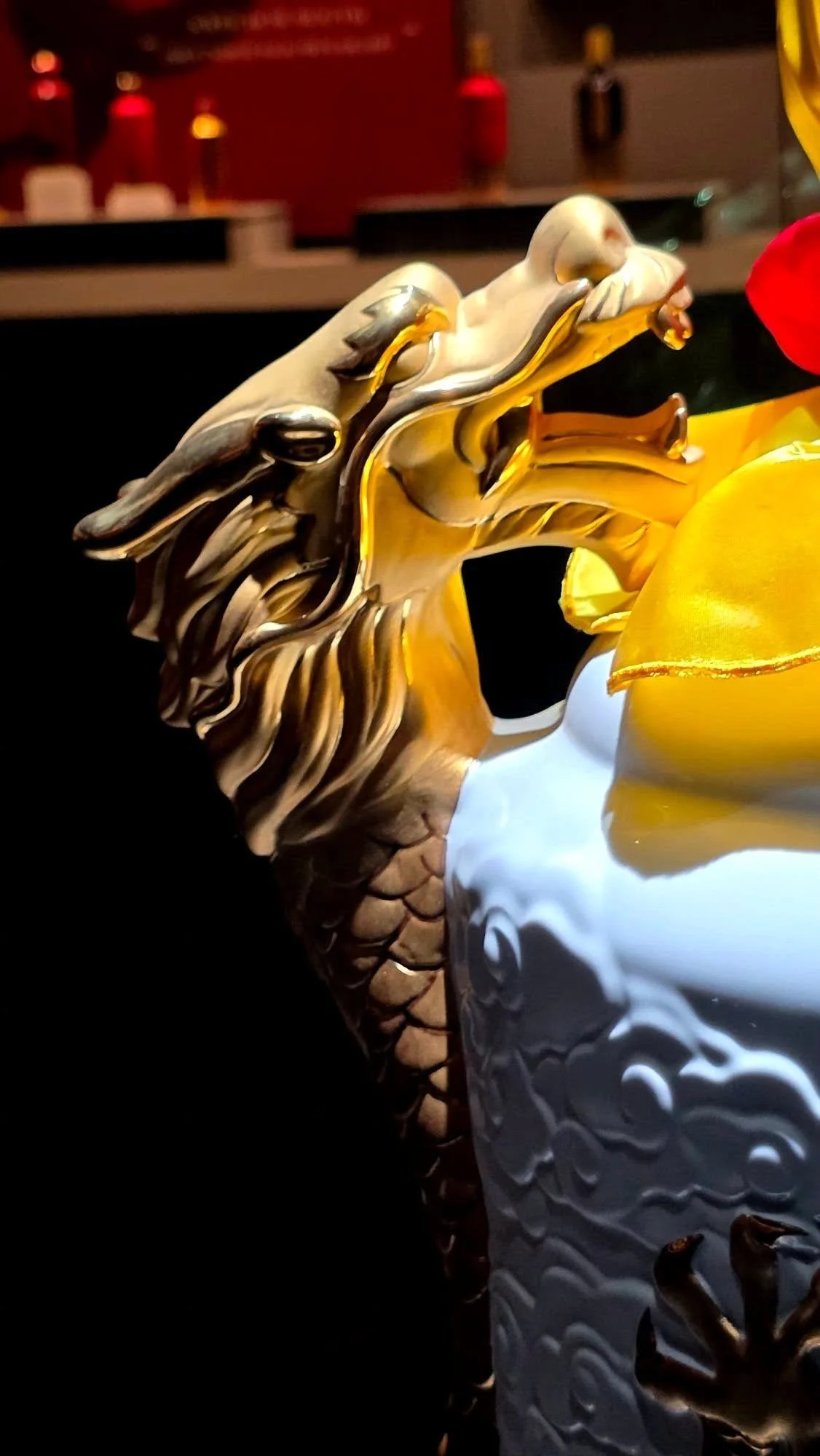
Freshly distilled spirit is transferred into large ceramic jars where it begins years of ageing. Ceramic vessels quietly hold the spirit that would not reach consumers for years. There is something almost meditative about these spaces. In a world increasingly obsessed with speed and efficiency, Moutai remains committed to patience.
After ageing, master blenders take over. Their task is to combine more than one hundred different base spirits of varying ages and characteristics to create a consistent final product. No flavourings, colouring or additives are introduced. Moutai is blended entirely with other Moutai spirits.
The same attention to detail continues right through to packaging. During our visit we watched workers carefully inspect bottles before they moved down the line. One particularly memorable sight was seeing women hand-tie the iconic red ribbons around every bottle. In many distilleries this would have been automated long ago, but here it remains part of the ritual, a final human touch before each bottle leaves Maotai Town and begins its journey around the world.
It takes at least five years for a bottle of Moutai to travel from grain to glass. Along the way, farmers, qu makers, distillers, cellar workers, blenders and packaging teams all contribute to the finished product. The scale of the operation is enormous, yet what stays with you most is not the size of the distillery but the people who make it possible.
Overlooking the Chishui River, and the town that has spent centuries perfecting its craft, it became clear why Moutai inspires such devotion. This is not simply a distillery producing alcohol. It is the guardian of a tradition refined over generations, transforming sorghum, wheat, water and microorganisms into one of the world's most distinctive spirits.
For whisky drinkers, Moutai offers an important reminder that great spirits are often defined not just by ingredients or technique, but by place, people and patience. In Maotai Town, those three elements have been working together for more than two thousand years, and they remain woven into every bottle produced today.
The visit to Maotai Town was organised in partnership with Cheng International, a UK-based importer and distributor dedicated to promoting premium Chinese baijiu across Europe. Established in 2018, the company works to introduce European consumers to Chinese spirits while showcasing the country's rich food, drink and cultural heritage. Through tastings, events, education programmes and trade partnerships, Cheng International has become one of the leading advocates for baijiu in the UK market, helping to bridge the gap between traditional Chinese spirits and Western audiences who are often unfamiliar with the category.