
Simple Ways to Add More Protein to Everyday Recipes
Protein often gets associated with gym-goers, athletes, and fitness enthusiasts. Yet it plays an important role in everyone's diet, regardless of age or activity level. From supporting muscle maintenance to helping you feel fuller for longer, protein contributes to many everyday functions that help keep the body working efficiently.
The challenge for many people is not understanding the importance of protein but finding practical ways to include more of it in their daily meals. Busy schedules, family commitments, and the temptation of convenience foods can make it difficult to consistently hit protein goals.
Fortunately, increasing your protein intake does not require a complete dietary overhaul. Small adjustments to familiar recipes can make a noticeable difference while still allowing you to enjoy the foods you already love.
Start With Breakfast
Breakfast is often one of the easiest opportunities to add extra protein to your day.
Many traditional breakfast options are heavily focused on carbohydrates. Toast, cereal, pastries, and even some smoothie bowls can leave you feeling hungry again shortly after eating.
Simple swaps can help create a more balanced start to the day. Greek yoghurt provides significantly more protein than standard yoghurt and works well with fruit, granola, or honey. Eggs remain one of the most versatile protein-rich foods available and can be prepared in countless ways.
Porridge can also become a protein-rich breakfast with only a few adjustments. Stirring protein powder into oats or pairing them with nuts, seeds, and Greek yoghurt creates a more satisfying meal that can help keep hunger at bay throughout the morning.
Upgrade Everyday Baking
Many people do not realise how easily protein can be incorporated into baking.
Muffins, pancakes, flapjacks, and energy bites can all benefit from additional protein-rich ingredients. Nut butters, ground seeds, oats, and protein powders can be used to increase nutritional value without dramatically changing flavour.
This approach is particularly useful for families with children who may not always choose high-protein foods on their own. Incorporating protein into familiar baked goods can be an easy way to support more balanced eating habits.
Even simple recipes such as banana bread or breakfast muffins can become more filling with a few thoughtful ingredient choices.
Think Beyond Meat
When people hear the word protein, they often think of chicken, steak, or fish.
While these foods certainly provide excellent sources of protein, there are many other options worth exploring.
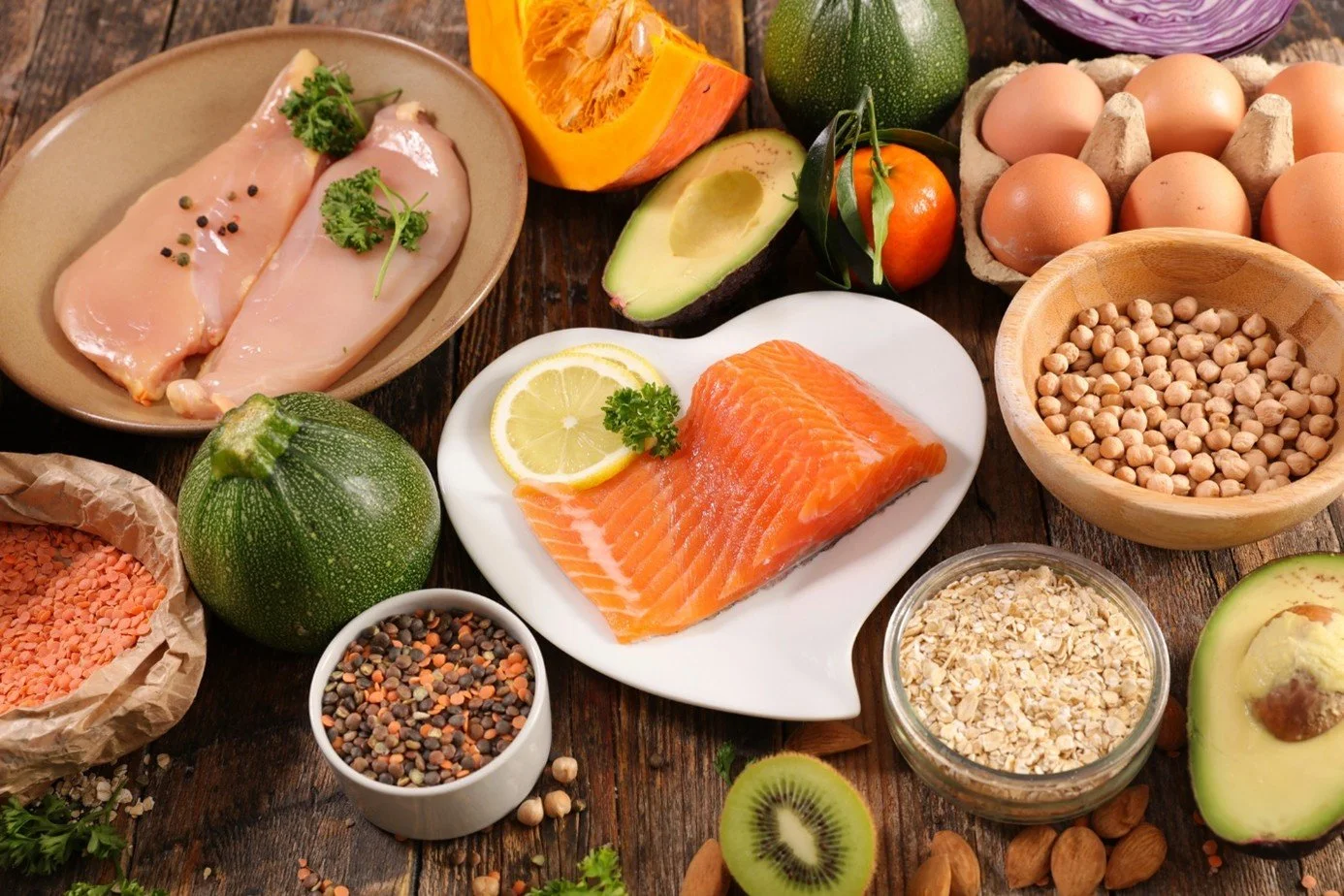
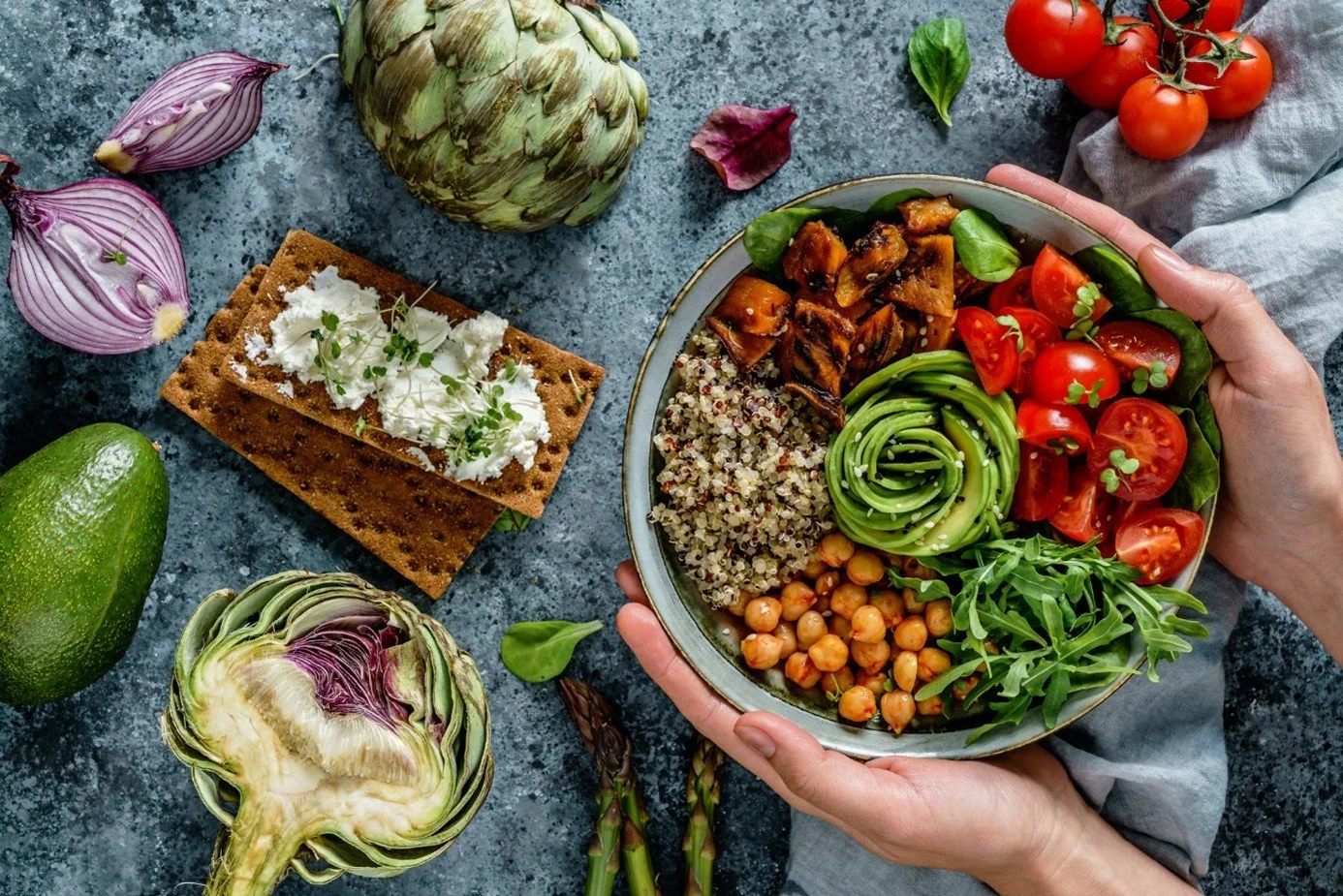
Cottage cheese, Greek yoghurt, eggs, lentils, chickpeas, beans, quinoa, nuts, and seeds can all contribute meaningful amounts of protein throughout the day. Using a variety of sources not only helps increase overall intake but also adds diversity to meals and snacks.
A hearty lentil soup, for example, can provide substantial protein while also delivering fibre and other valuable nutrients. Similarly, adding chickpeas to salads or blending white beans into soups can boost protein content without dramatically altering flavour or texture.
A Convenient Addition for Busy Days
There are inevitably days when preparing protein-rich meals from scratch simply is not realistic.
This is where convenient protein options can be particularly useful. Protein powders are no longer reserved exclusively for post-workout shakes. Many people now incorporate them into everyday recipes ranging from smoothies to baked goods and even hot drinks.
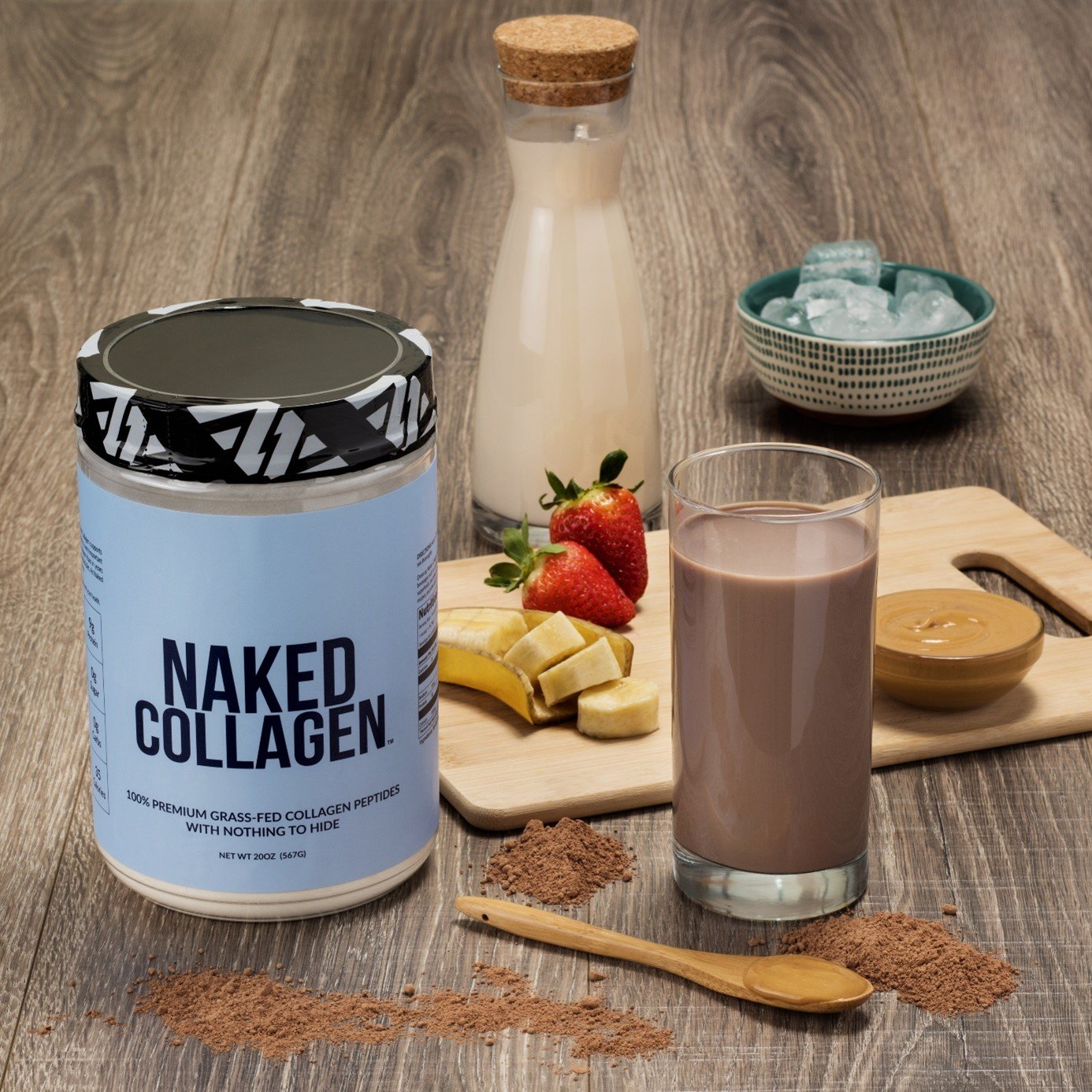
One option that has gained increasing popularity in recent years is collagen. Unlike some protein supplements that can significantly alter the taste or texture of recipes, collagen typically blends easily into both hot and cold foods.
Products such as Collagen Peptides can be added to coffee, tea, smoothies, porridge, soups, yoghurt, and baking recipes without dramatically changing flavour. This makes them an appealing choice for people looking to increase their daily protein intake without overcomplicating meal preparation.
In addition to providing protein, collagen has attracted attention for its role in supporting skin, hair, nails, joints, and connective tissues. While protein remains its primary nutritional contribution, many people appreciate the potential additional benefits that collagen may offer as part of a balanced diet.
Because it dissolves so easily, [Collagen Peptides] can become one of the simplest ways to add extra protein to recipes you are already making every day.
Make Snacks Work Harder
Snacks can either help support your nutrition goals or make them more difficult to achieve.
Many common snack foods are high in refined carbohydrates and low in protein, which often leads to energy crashes and increased hunger later on.
Adding more protein to snacks can help create a greater sense of satisfaction between meals. Options such as hard-boiled eggs, Greek yoghurt, roasted chickpeas, cottage cheese, nuts, and homemade protein balls all provide convenient alternatives to highly processed snacks.
Even something as simple as pairing fruit with a protein-rich food can create a more balanced snack that helps sustain energy throughout the day.
Add Protein to Soups and Sauces
Soups and sauces offer another opportunity to increase protein intake without significantly changing eating habits.
Blended beans, lentils, or Greek yoghurt can add both creaminess and protein to soups. Cottage cheese can be blended into sauces for a smoother texture while increasing nutritional value.
Collagen can also work well in many savoury dishes because of its neutral flavour profile. It can be stirred into soups, broths, and sauces without affecting taste, making it a convenient option for people who prefer savoury meals over shakes and smoothies.
Small additions like these may seem insignificant individually, but they can contribute meaningfully to overall daily protein intake.
Focus on Consistency Rather Than Perfection
One of the biggest mistakes people make when trying to improve their nutrition is assuming every meal must be perfect.
In reality, long-term success usually comes from consistency rather than dramatic changes.
Adding a little more protein to breakfast, choosing more balanced snacks, incorporating protein-rich ingredients into baking, and using convenient options when life gets busy can all contribute to meaningful improvements over time.
There is no single recipe, ingredient, or supplement that will transform a diet overnight. However, making small, sustainable adjustments often proves far more effective than following complicated plans that are difficult to maintain.
Finding simple ways to add more protein to everyday recipes allows healthy eating habits to fit naturally into daily life. When meals remain enjoyable, practical, and realistic, those habits become much easier to sustain over the long term.