
East Meets Alps: Exploring Japan's Gardens and Switzerland's Mountains
Japan and Switzerland share almost no geography, history, or cultural logic, but they share something harder to define: a relationship with precision that shows up in the landscape as much as in the culture. The garden and the mountain are different expressions of the same attentiveness to how things are arranged and maintained.
Japan's Garden Tradition
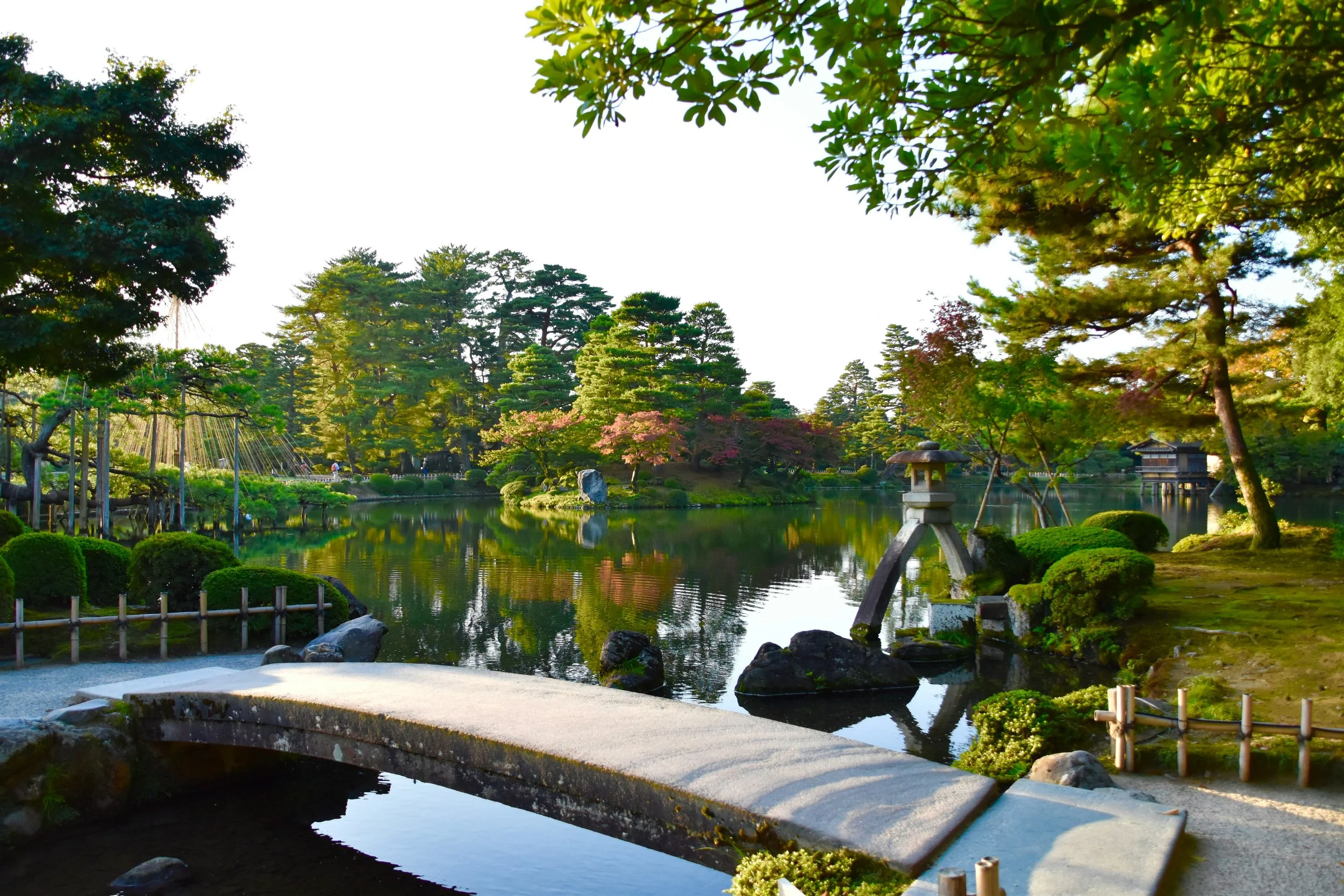
Japanese garden design is not decorative in the way that European formal gardens tend to be. The intent is not to display wealth or impose symmetry on nature but to compress and redirect it - to create within a bounded space a version of landscape that prompts specific states of attention. The three gardens traditionally considered the finest in Japan - Kenroku-en in Kanazawa, Korakuen in Okayama, and Kairaku-en in Mito - each achieve this differently, and visiting all three in a single trip is the kind of itinerary that reveals how much variation exists within a tradition that can look uniform from a distance.
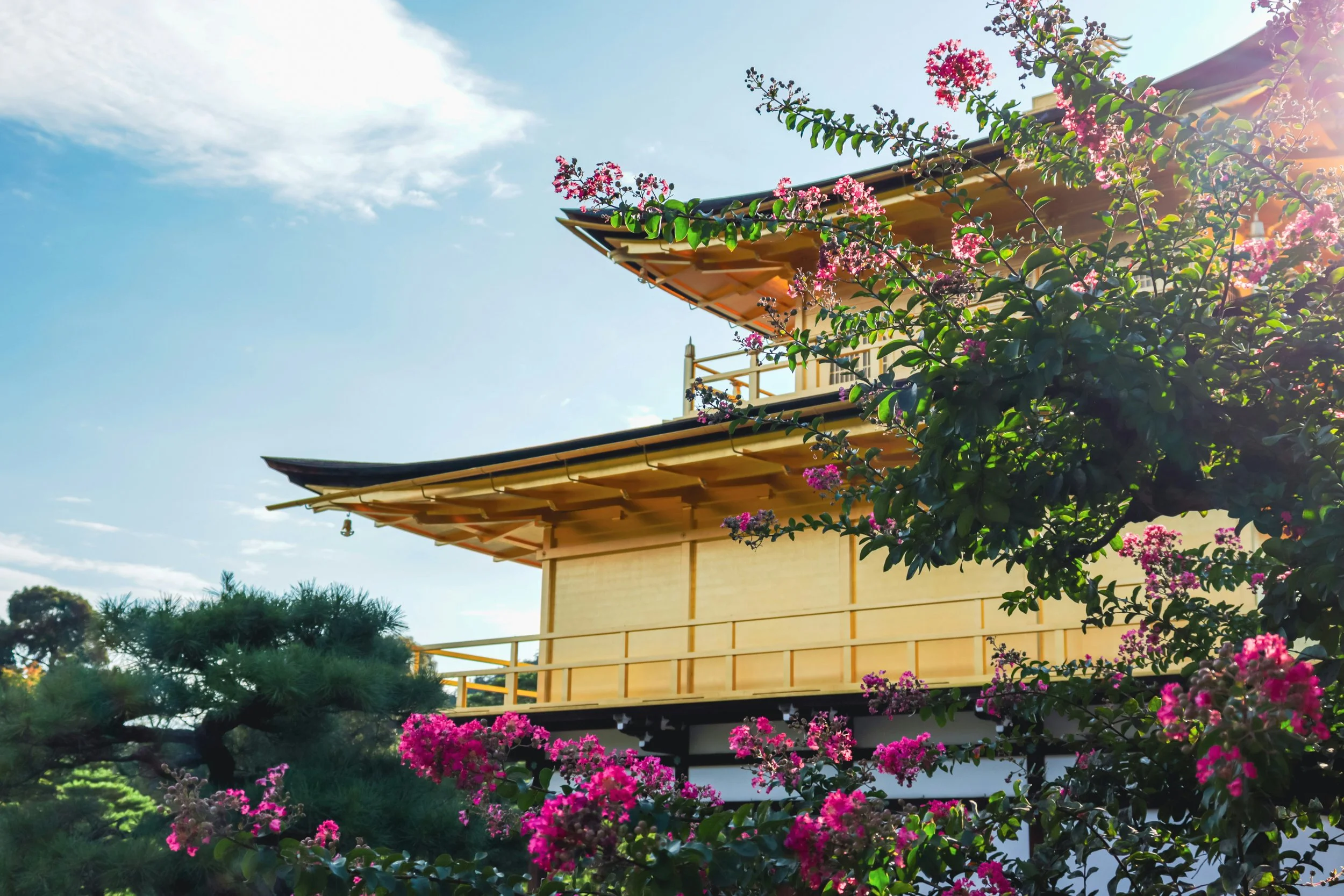
Japan tours that focus on garden culture typically include Kyoto as their centre, and for good reason. The city holds an extraordinary concentration of garden types within a relatively small area: the dry rock gardens (karesansui) of Ryoanji and Daisen-in, where raked gravel and placed stones suggest water and mountain without representing them literally; the stroll gardens of Kinkakuji and the Shugakuin Imperial Villa, designed to be experienced in sequence as you move through them; and the tea gardens (roji) attached to tea houses across the city, which function as transitional spaces designed to shift your mental state before you enter the tearoom. The Shugakuin Imperial Villa requires advance booking through the Imperial Household Agency and is worth the administrative effort - the three-tiered garden on the hillside above the city uses borrowed scenery (shakkei) from the mountains beyond the garden wall, incorporating the wider landscape into the composition.
Beyond Kyoto's Gardens
Kanazawa is the city most worth adding to a garden itinerary. Kenroku-en, on a ridge above the city, takes its name from six attributes considered essential to the perfect garden - spaciousness, seclusion, artifice, antiquity, water, and views - and the garden is large enough (around 11 hectares) that the crowds disperse within it. The central pond, the stone lantern that appears on every photograph of the garden, and the plum grove that blooms in February are the obvious focal points, but the garden's edges - where it meets the castle grounds and drops away to the city below - are less visited and give a clearer sense of how the garden sits within its topography.
Switzerland's Alpine Logic
Private tours to Switzerland that focus on mountain access tend to concentrate on the Alps region for practical reasons - the transport infrastructure is exceptional and the range of terrain accessible without technical mountaineering is unusually wide. The walk from Grindelwald to Wengen via Kleine Scheidegg is one of the great alpine walks, taking around four hours at an easy pace with the north face of the Eiger on your right for much of the distance. The Lauterbrunnen valley below Wengen, with 72 waterfalls dropping from the plateau edges, is the landscape that inspired Tolkien's Rivendell and holds up to that association despite it.
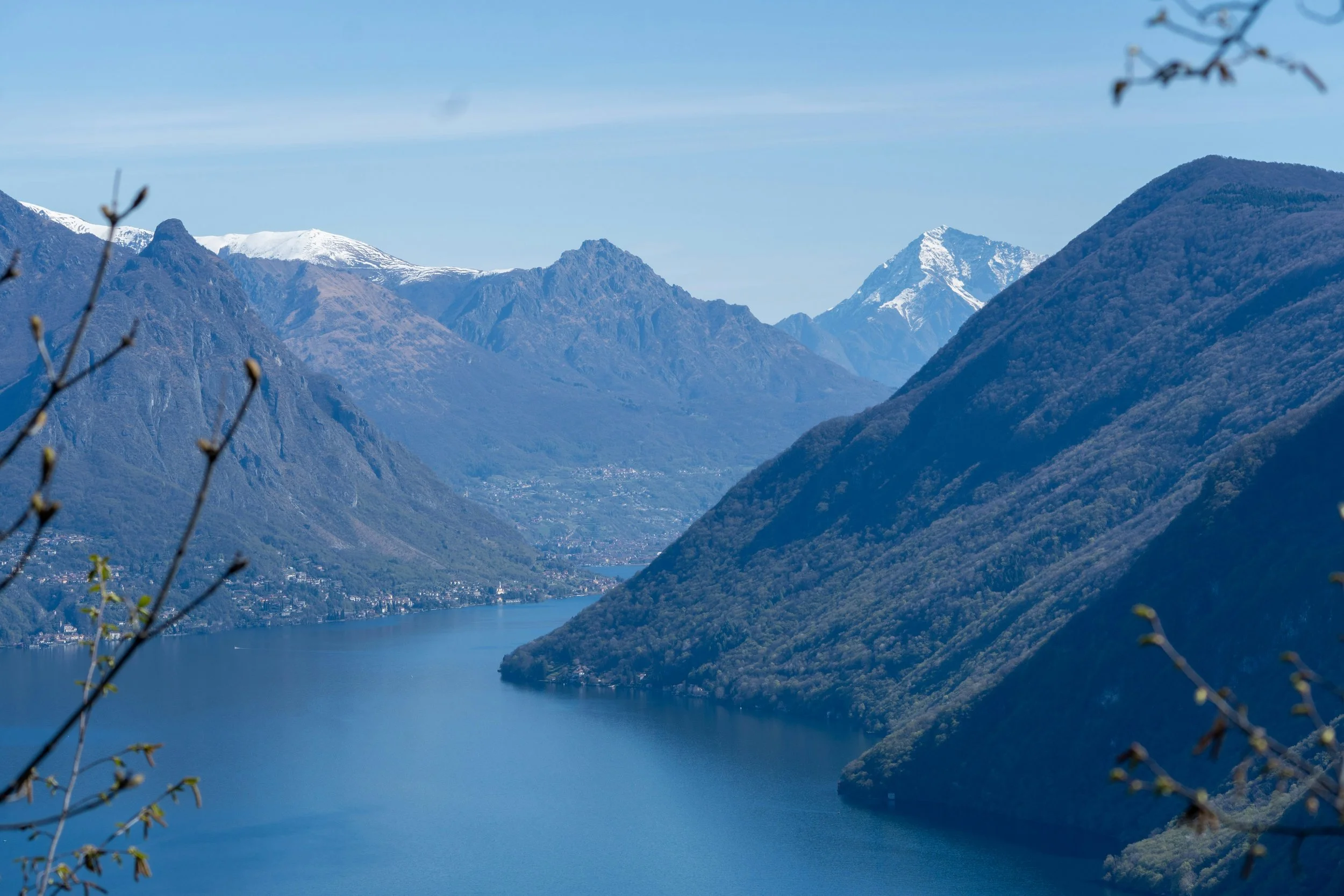
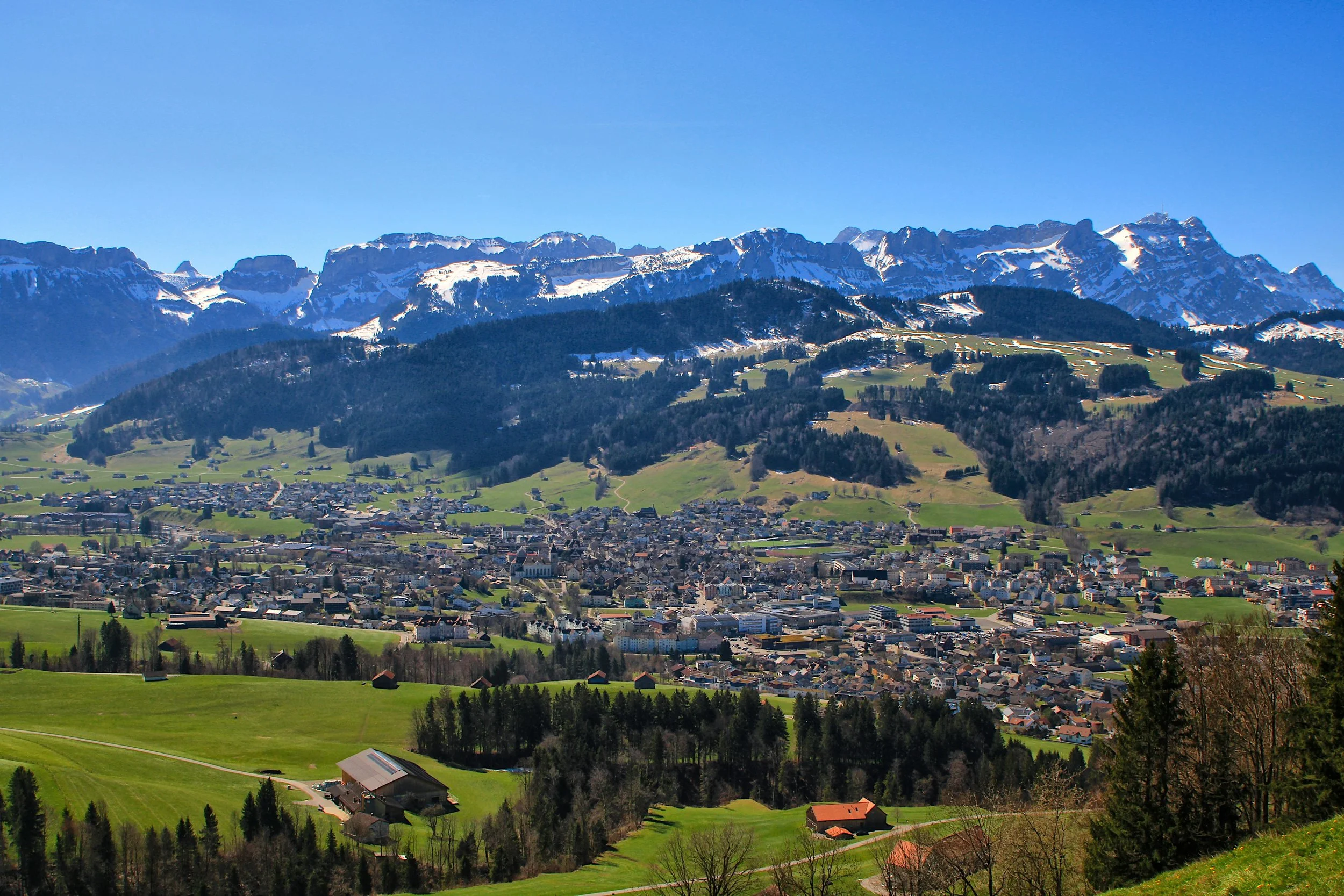
The Swiss Alps cover around 60 percent of the country's land area and have organised Swiss life around them for centuries in ways that show up in the infrastructure, the agriculture, and the particular quality of attention that mountain communities develop toward weather and terrain. The Bernese Oberland, the region south of Bern that includes the Jungfrau massif and the valleys below it, is where the alpine experience is most concentrated for first-time visitors: the Eiger, Mönch, and Jungfrau summits visible from Grindelwald and Wengen, the cogwheel railways climbing to Kleine Scheidegg and the Jungfraujoch, and the trails connecting the valley villages at altitudes where the scale of the mountains becomes physically felt rather than visually observed.
Swiss Mountain Villages
The logic of Swiss mountain villages is inseparable from the logic of the mountains above them. Mürren, accessible only by cable car and cogwheel railway because the terrain prevents roads, has remained small enough that the relationship between the built village and the surrounding mountain landscape is still legible. The Schilthorn above Mürren (2,970 metres) has a revolving restaurant at the summit used for a James Bond film in 1969 and the view from it, across 200 peaks including the Eiger, Mönch, Jungfrau, and on clear days the Black Forest and the Vosges, is one of the widest panoramas accessible by cable car in Europe.
Saas-Fee in the Valais is less visited than Zermatt but offers the same car-free village environment and similarly direct access to glacial terrain. The village sits in a bowl surrounded by thirteen peaks over 4,000 metres and the Allalin glacier is accessible by underground funicular from the village, reaching 3,456 metres. The Fee glacier that gives the village its character has retreated significantly since the 19th century - old photographs mounted at the glacier's current edge show where the ice once reached - but the remaining terrain is still substantial enough to make the scale of what has already melted difficult to process.
Gardens and Mountains as Ways of Seeing
The comparison between Japanese gardens and Swiss mountains is not forced. Both require a kind of looking that most travel doesn't ask for - slow, repetitive, willing to stay in one place long enough for the thing you're looking at to change. A Japanese garden is designed to be different in each season and at each time of day; a mountain is genuinely different in every weather condition and light. The traveller who sits beside Kenroku-en's pond for an hour and the one who watches clouds move across the Eiger face for an hour are engaged in versions of the same activity.
Conclusion
Japan and Switzerland reward the visitors who go slowly and go back. A single visit to either country gives you the surface; the second visit gives you the structure beneath it, the reasons why things are where they are and how they work. Whatever draws you to gardens or mountains, both countries have versions of those things that will hold more than you can take in at once.