
Japan Unveiled: Sacred Temples and Quiet Alleys
Japan is a country shaped by contrasts - ancient wooden temples standing within sight of glass towers, incense drifting through narrow alleys while neon lights glow just a few streets away, and timeless rituals quietly surviving in the rhythm of modern life. For travellers drawn to beauty, delicacy and detail, Japan offers a journey that feels both grounding and endlessly fascinating.
From the gardens of Kyoto to the lantern-lit backstreets of Tokyo, the country reveals itself slowly, moment by moment. The more patiently you explore, the more the stories emerge: the sound of bamboo clacking in a Zen garden, the aroma of fresh matcha, the soft murmur of a shrine visit in the early morning. Japan is a place where stillness holds meaning, and where even the smallest gestures carry centuries of cultural heritage.
Planning Your Cultural Journey
Many visitors begin by looking into Kyoto tour packages, which often combine the city’s most iconic temples with traditional tea houses, craft districts and historical walking tours.
These curated experiences offer a helpful introduction to Kyoto’s layered history, from Heian-era shrines to centuries-old gardens, artisans’ workshops and the atmospheric lanes of Gion. They provide structure, but they also leave space for wandering, reflection and the gentle, unhurried discovery that makes Kyoto unforgettable.
Travelling Into Kyoto: The High-Speed Connection
For those arriving from the capital, the Shinkansen Tokyo to Kyoto route offers one of the most comfortable and elegant ways to travel between Japan’s cultural heart and its bustling modern centre.
Gliding across the landscape at remarkable speed, the Shinkansen transitions from the steel skyline of Tokyo into rolling hills, farmland and traditional wooden houses. On clear days, Mount Fuji appears through the window, a silent, majestic presence marking the journey south. In around two hours and twenty minutes, travellers step off the train into a city shaped by more than a thousand years of history.
Kyoto: A City of Temples, Tea and Timeless Beauty
Kyoto is often described as Japan’s soul, and once you begin exploring, it’s easy to understand why. More than 2,000 temples and shrines lie across the city, each with its own atmosphere. Kinkaku-ji, the Golden Pavilion, shines across a reflective pond; Ginkaku-ji, the Silver Pavilion, is quieter, wrapped in subtle moss gardens and stone paths.
For a serene morning, visit Ryoan-ji, home to Japan’s most famous Zen rock garden. Here, 15 stones sit in a sea of raked gravel, a lesson in perspective, since no matter where you stand, one stone is always hidden.
Kyoto’s charm also thrives in small moments: the crackle of bamboo at Arashiyama, the red torii gates weaving through the hillside at Fushimi Inari Taisha, and the scent of simmering broth wafting from neighbourhood kitchens.

Hidden Streets and Evening Walks
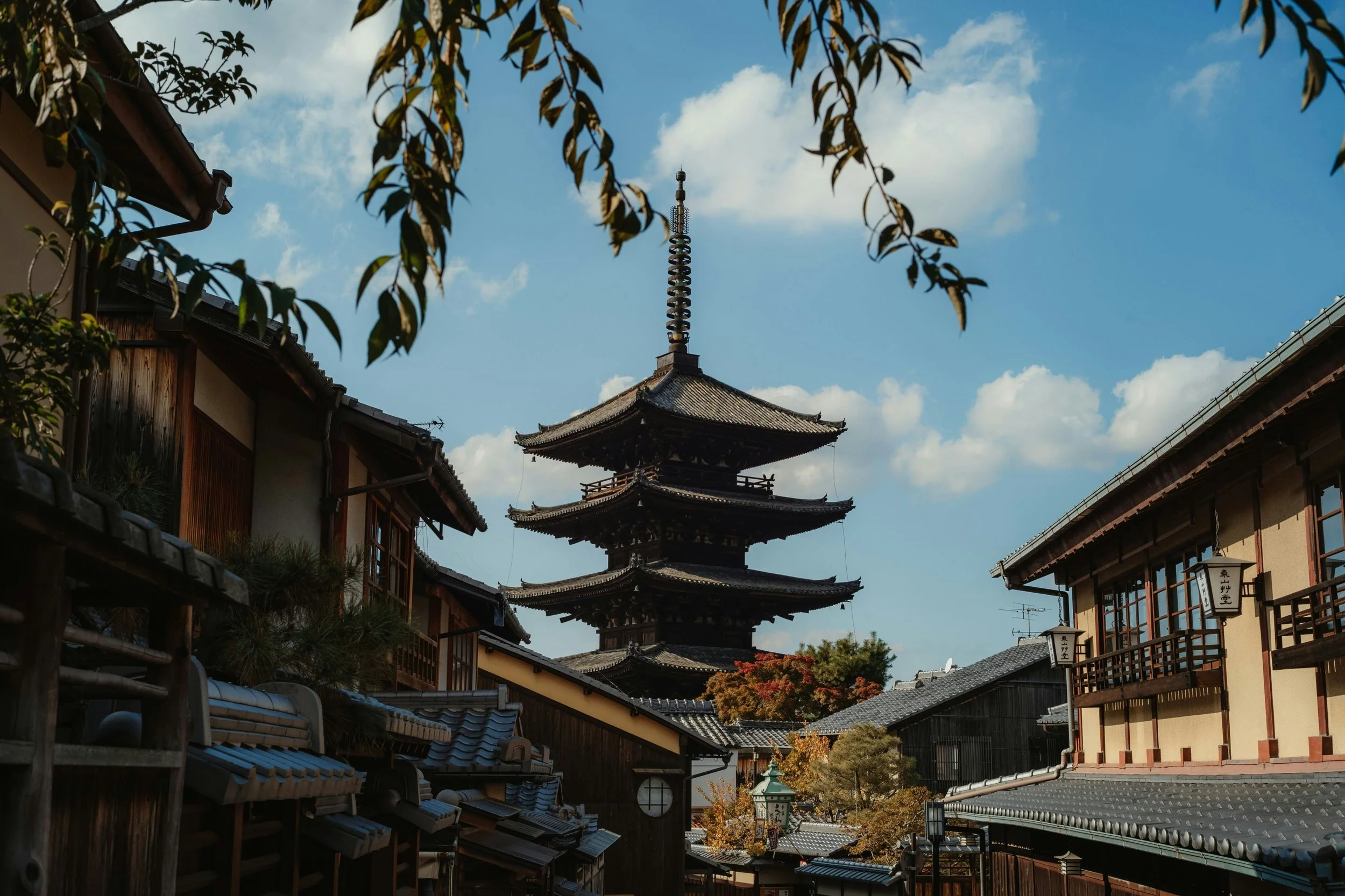
While Kyoto’s temples draw most of the attention, its quieter alleys hold just as much magic. Wander the side streets of Higashiyama, where small shops sell handmade ceramics, local sweets and delicate incense. Old machiya townhouses with wooden façades offer glimpses of traditional life, while lantern-lit pathways lead to tucked-away shrines and unexpected viewpoints.
At dusk, Gion transforms into a world of soft shadows and golden light. Wooden ochaya (tea houses) line the narrow lanes, and the gentle click of geta sandals occasionally echoes from somewhere unseen. Visitors often hope to see maiko (apprentice geiko), but the real beauty lies in the atmosphere itself: a neighbourhood holding onto centuries of tradition even as the modern world moves around it.
Tokyo: Where Old Meets Ultra-Modern
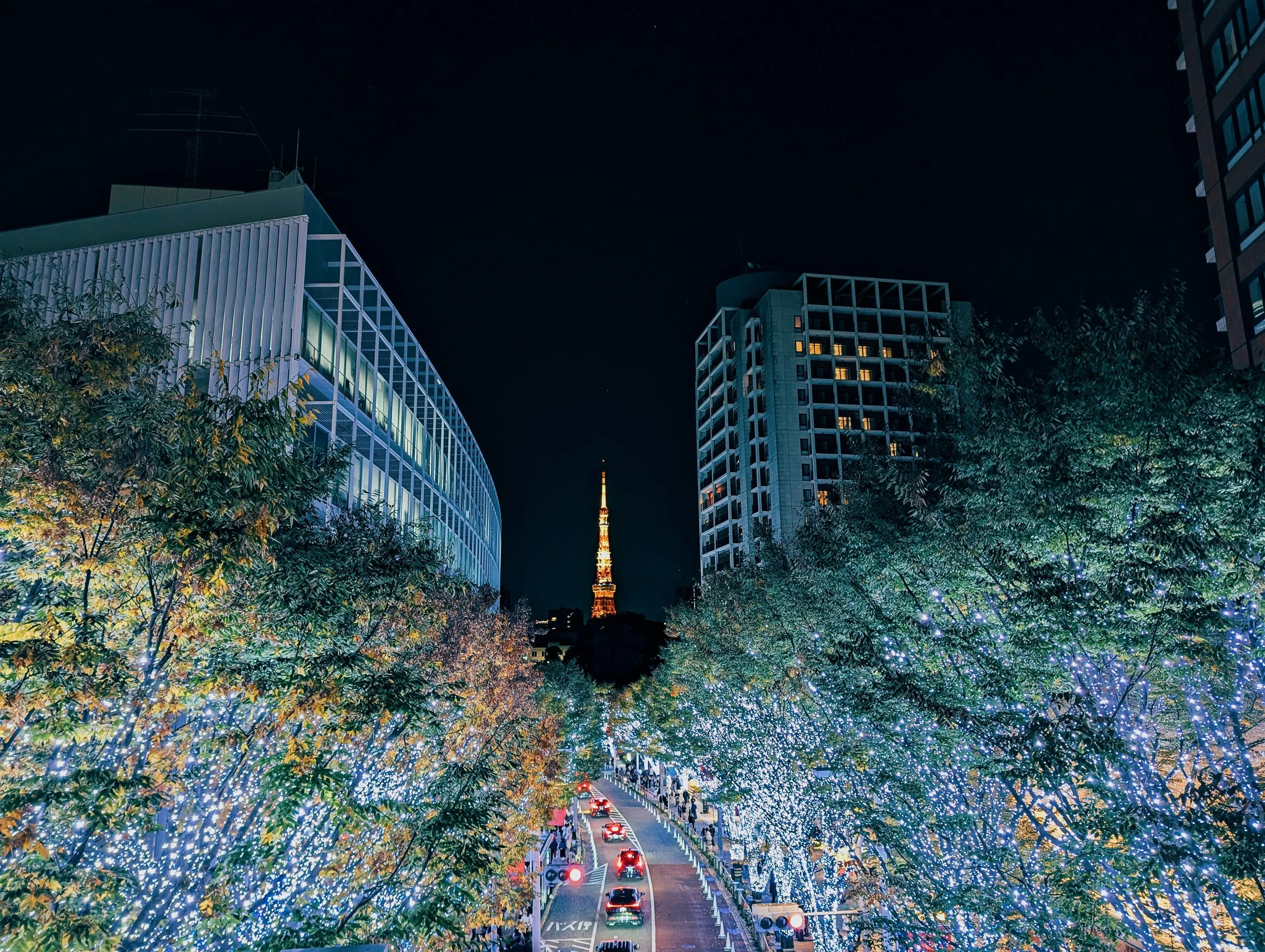
Before or after Kyoto, many travellers spend time in Tokyo, a city where hypermodern architecture intersects with spiritual calm. A morning visit to Meiji Shrine offers quiet woodland pathways, while districts like Asakusa preserve an older feel with shopfronts selling traditional crafts and street snacks.
Tokyo’s architecture ranges wildly: sleek skyscrapers in Shinjuku, art-filled complexes in Roppongi, and the colourful, youthful chaos of Shibuya and Harajuku. And yet, amid all this, you’ll find intimate cafés, handmade soba shops, and tiny bars tucked into alleys barely wide enough for two people.
Tokyo’s energy frames the contrast beautifully: after a few days exploring its futuristic streets, arriving in Kyoto feels like stepping into an entirely different chapter of Japan’s story.
Osaka: Neon Nights and Street-Food Culture
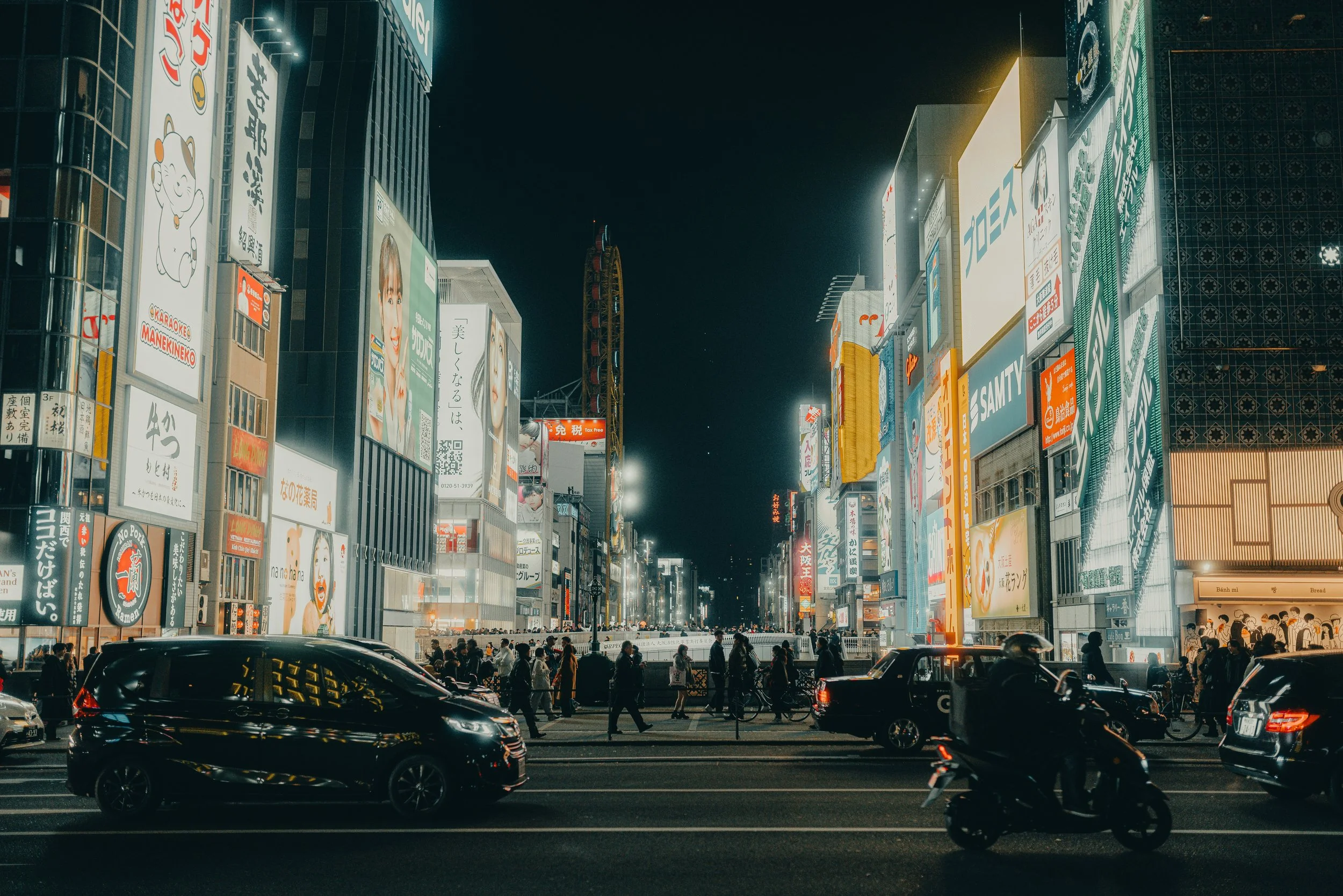
Travellers moving beyond Kyoto often head to Osaka — a city with a different flavour entirely. Known for its humour, warmth and bold culinary identity, Osaka is where you’ll find sizzling okonomiyaki, late-night ramen bars and lively canal-side districts.
Architecturally, Osaka blends modern skyscrapers with retro shopping arcades and new creative neighbourhoods. The city’s electric nights offer a refreshing contrast to Kyoto’s quiet alleys, making it an ideal addition to a multi-city Japanese itinerary.
Food: A Taste of Japanese Heritage
Japan’s cuisine is one of its greatest pleasures, and each region brings its own specialities:
In Kyoto
Elegant kaiseki meals made from seasonal ingredients
Matcha sweets and tea ceremonies
Tofu dishes crafted with delicate precision
Yuba (tofu skin) served fresh or simmered
In Tokyo
Sushi prepared with incredible attention to detail
Tempura so light it almost floats
Modern fusion eateries
Izakaya dishes shared in lively settings
In Osaka
Takoyaki (octopus balls) hot from the grill
Rich bowls of tonkotsu ramen
Kushikatsu (deep-fried skewers) dipped into shared sauce
Hearty comfort dishes loved by locals
Food in Japan reflects care, craftsmanship and an appreciation for nature’s seasonal gifts.
Nature Within the Cities
Despite their urban scale, Japanese cities offer beautiful natural spaces:
Philosopher’s Path (Kyoto): a stone walkway beside a canal lined with cherry trees
Arashiyama Bamboo Grove: soft light filtering through towering green stalks
Ueno Park (Tokyo): blossoms in spring, cultural institutions year-round
Sumiyoshi Park (Osaka): one of Japan’s oldest parks, filled with serene landscapes
These green pockets offer peaceful contrast to city exploring, perfect for families, couples or solo travellers seeking balance.
Small Moments That Make Travel Meaningful
Japan’s magic lies in details:
the sound of temple bells
the gentle bow of a shopkeeper
the warm cloth handed before a meal
the way lanterns glow softly at night.
These gestures create a feeling of respect, welcome and quiet beauty. Combined with the country’s remarkable architecture, food, and cultural depth, they make every day of travel feel rich and memorable.
Final Thoughts: Discovering Japan’s Spirit
Exploring Japan is a journey into contrasts, vibrant cities and hushed temples, modern transport and ancient rituals, neon lights and moss gardens. Whether you’re travelling for architecture, food, spirituality or simple curiosity, Japan rewards you with experiences that feel both grounding and transformative.
Kyoto offers stillness, Tokyo offers energy, and the paths between them offer some of the most stunning journeys in the world. And as you wander through quiet alleys, sip tea in wooden townhouses, or watch lanterns flicker beside shrines, Japan reveals its deepest charm: a beauty that unfolds slowly, inviting you to pause, breathe and discover.
Japan travel guide, Kyoto temples and shrines, Tokyo cultural experiences, Osaka street food, Sacred temples in Japan, Arashiyama bamboo grove, Fushimi Inari Taisha torii gates, Gion lantern-lit alleys, Kyoto tour packages, Shinkansen Tokyo to Kyoto