
Central Europe carries its history differently from places that reinvent themselves quickly. Here, change tends to layer rather than replace. Buildings remain in use long after their original purpose has softened. Streets hold their proportions. Public spaces continue to organise daily life in ways that feel practiced rather than planned. What endures is not spectacle, but continuity, a sense that the city has learned to live alongside its own past.
Vienna and Budapest are often framed as grand, formal capitals shaped by empire. Moving through them reveals something quieter. Grandeur exists, but it is absorbed into routine. Opera houses, parliament buildings, and ceremonial avenues function not as backdrops, but as anchors around which ordinary life circulates.
Cities Built to Be Walked Repeatedly
Both Vienna and Budapest reward repetition. The first walk offers scale and symmetry. The second reveals pattern. By the third, the streets feel familiar enough that attention drifts toward detail, a doorway passed daily, a square crossed without thinking, a façade noticed only because the light hits it differently.
These are cities that assume return. They are not designed to be consumed quickly. Their logic unfolds through use rather than explanation.
Crossing Between Cities Without Reset
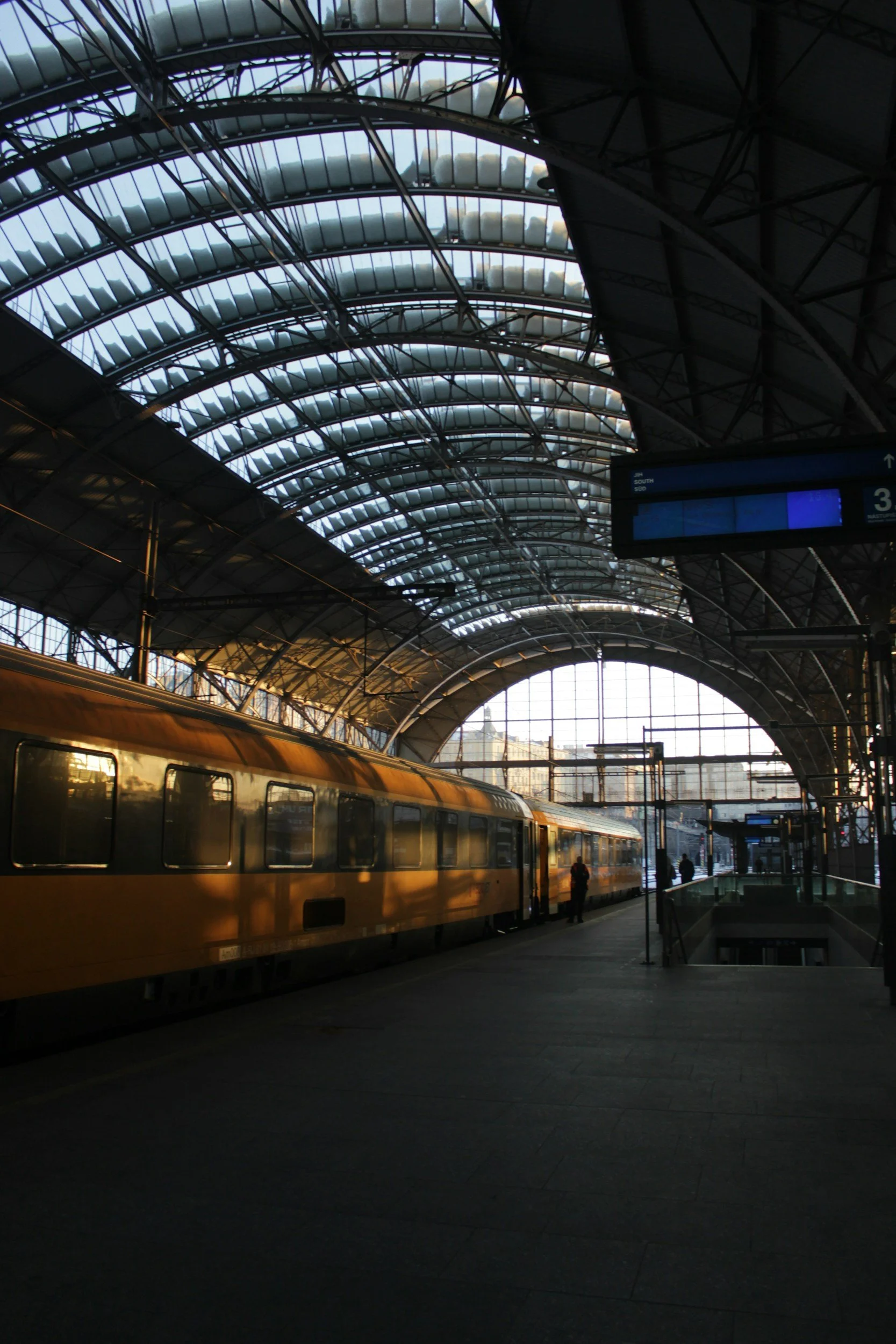
The Vienna Budapest train compresses distance without compressing atmosphere. Leaving one city and arriving in the other requires no mental reset. The shift happens gradually, through tone rather than geography.
Differences appear later - in posture, in pace, in how space holds sound. Travel maintains continuity rather than contrast.
The corridor feels cohesive.
Vienna and the Discipline of Form
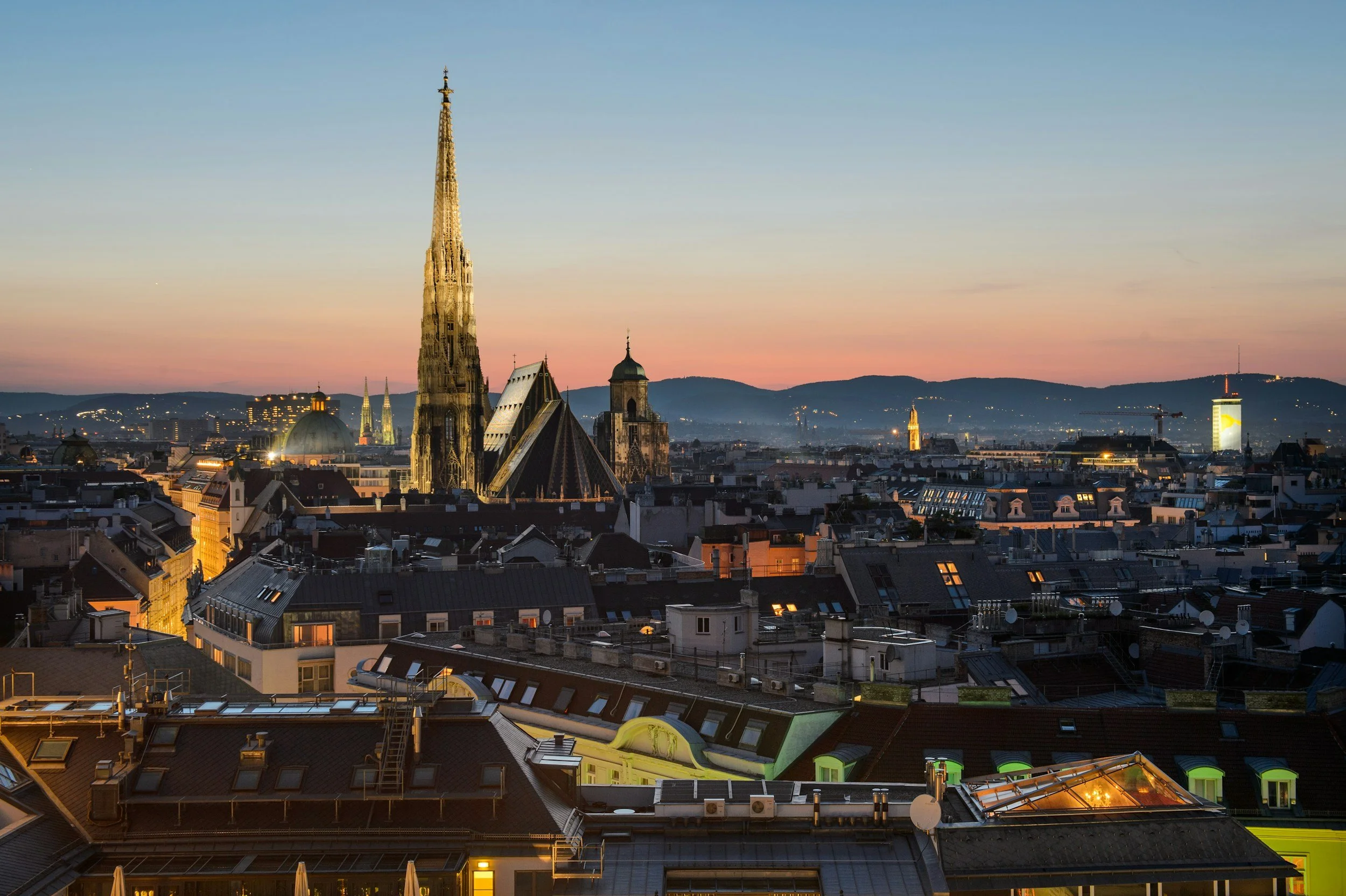
Vienna carries itself with restraint. Streets feel measured. Buildings align cleanly. Space rarely surprises, but it reassures.
Architecture reflects an inherited preference for order. Even large structures feel composed rather than imposing. Movement flows easily: trams slide through wide streets, pedestrians gather without congestion, pauses happen naturally.
The city feels practiced in holding itself together.
Opera as a Civic Habit
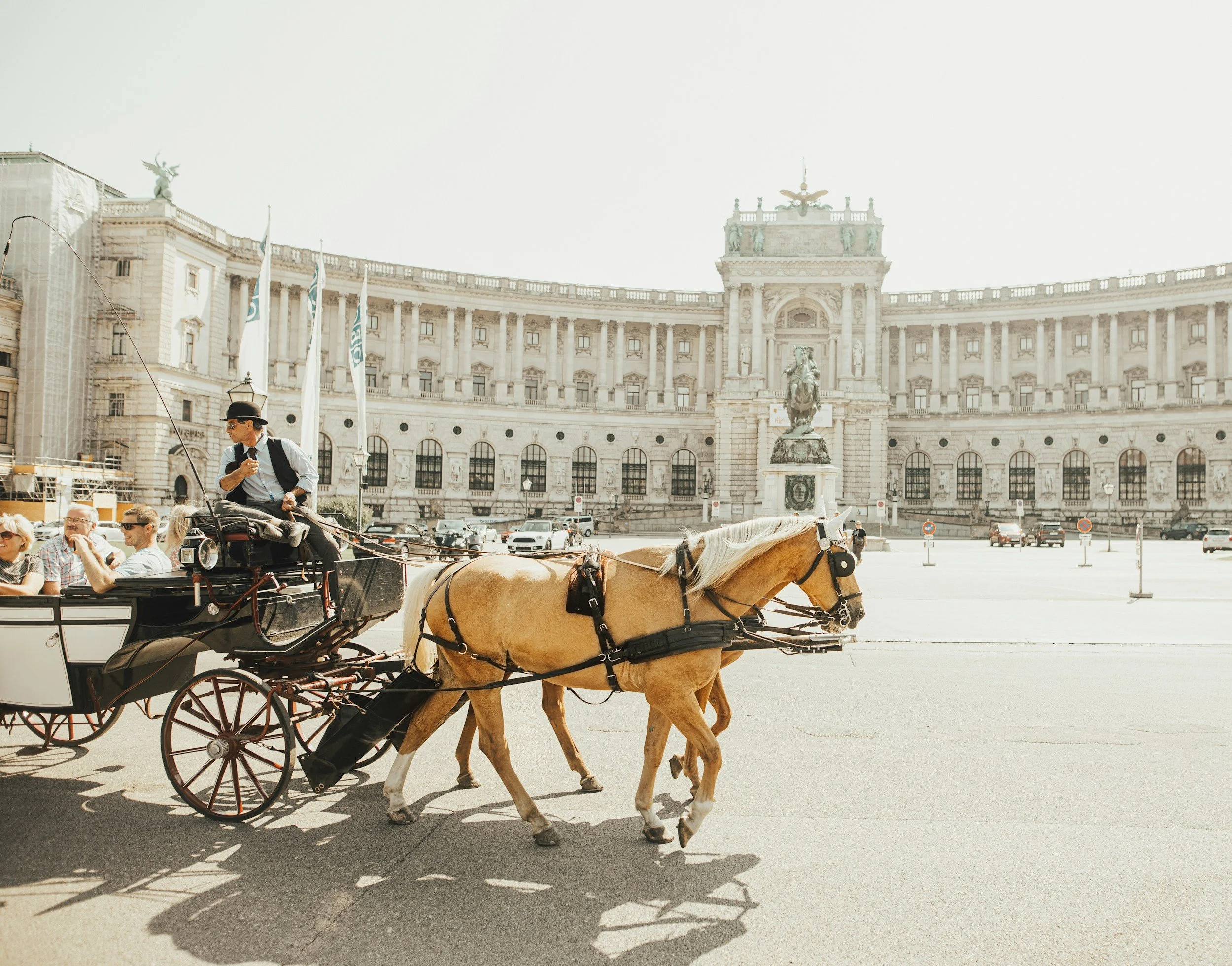
Vienna’s opera houses are often described in terms of prestige, yet their presence feels more habitual than ceremonial. Performances happen regularly. Audiences arrive calmly. The buildings do not demand reverence so much as participation.
The opera house becomes part of the city’s rhythm, a place you pass often, sometimes enter, sometimes not. Art feels integrated rather than elevated, woven into routine rather than separated from it.
Culture operates at street level.
Architecture That Expects Use
Vienna’s historic buildings do not behave like monuments. They remain active: offices, apartments, theatres, cafés. Wear appears gradually, then is addressed quietly. Maintenance replaces restoration.
This ongoing use prevents the past from becoming distant. The city feels lived‑in rather than preserved, shaped by daily negotiation rather than fixed meaning.
Time shows itself without apology.
Movement That Reinforces Continuity
Travel across Austria extends this steadiness. Using Austrian Railways rarely feels disruptive. Journeys unfold smoothly, reinforcing the sense that movement is an extension of the city rather than a departure from it.
Inside the carriage, conversation stays low. Landscapes shift gently. Arrival feels expected, not announced.
Motion supports familiarity.
Budapest and Accumulated Presence
Budapest feels more layered. Streets rise and fall. Neighbourhoods shift character quickly. Grandeur appears alongside density rather than replacing it.
The city’s scale presses closer. Buildings feel heavier. Space gathers rather than spreads. The river divides and connects simultaneously, shaping movement across its bridges.
Budapest carries its history with weight, but not stiffness.
Parliament as Daily Reference
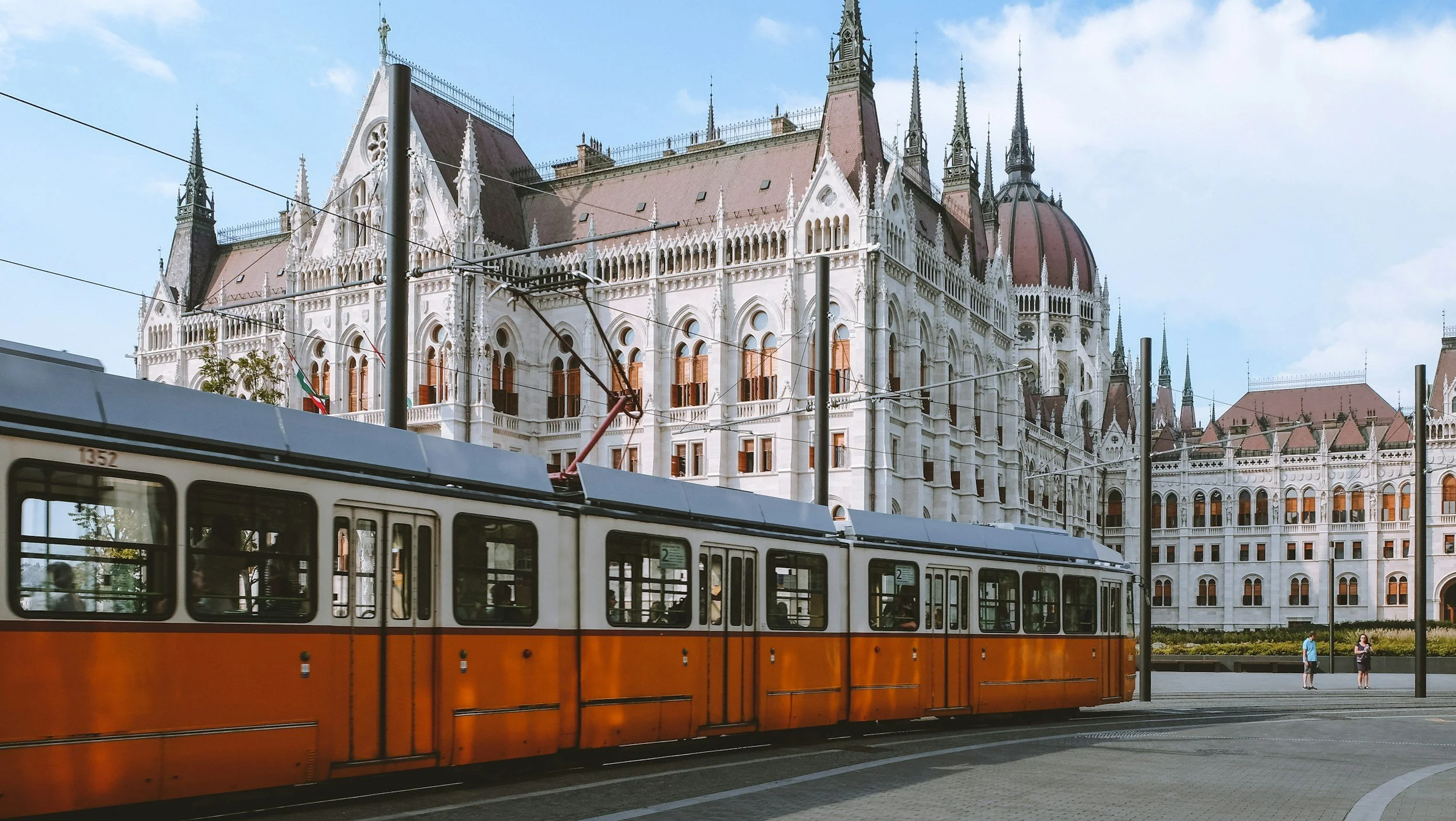
Budapest’s Parliament building dominates the riverbank visually, yet its presence settles into routine. Locals pass it without pausing. Trams move steadily beside it. The building becomes orientation rather than destination.
Grandeur functions as structure, something that frames daily movement rather than interrupts it. Its size does not isolate it from use.
Familiarity softens scale.
Public Space That Holds Memory Lightly
Squares, boulevards, and riverbanks in both cities act as shared ground rather than staged scenes. People cross them diagonally. Sit briefly. Move on.
History remains visible, but it does not dictate behaviour. These spaces feel designed to absorb daily life rather than present it.
The city does not ask to be admired. It allows itself to be used.
Music, Politics, and Ordinary Time
Opera houses and parliament domes suggest ceremony, yet daily life flows around them with little pause. People commute. Conversations overlap. Events repeat.
These institutions persist not because they are protected, but because they remain relevant. Their presence shapes rhythm rather than interrupting it.
Meaning accumulates through repetition.
Learning a City by Staying Put
Understanding Vienna and Budapest does not come from covering ground quickly. It comes from staying still long enough for patterns to repeat. You learn where people gather. When space empties. How sound behaves at different hours.
These lessons are not delivered. They are noticed.
The city reveals itself through patience.
Central Europe’s Measured Endurance
What connects these cities is not style, but temperament. Both have learned how to hold time without freezing it. They allow change, but slowly. They value structure, but not rigidity.
Opera houses, parliament domes, and ceremonial streets remain in use because they still fit into daily life. Grandeur becomes familiar. Familiarity becomes stability.
What Remains After Leaving
What lingers is not a list of buildings, but a sense of composure, how easily movement continued, how space absorbed activity without strain.
Vienna and Budapest do not ask to be interpreted quickly. They reward return, repetition, and quiet attention.
They persist not as destinations completed, but as cities still unfolding, steady, layered, and comfortably unfinished long after you have moved on.
What Continues Without Closure
Some experiences never settle into conclusions. They remain unfinished, looping softly rather than resolving.
If you want, I can also shape this into a tighter editorial, a more poetic essay, or a version optimised for SEO and internal linking on TartanSpoon.