
At the far northern edge of Europe, movement behaves differently. Distance stretches. Light arrives unevenly. The land does not invite efficiency, and it certainly does not reward urgency. You move when conditions allow, and you wait when they do not. Eventually, this rhythm stops feeling restrictive and starts feeling true.
What defines this region is not extremity, but repetition. Days lengthen and contract. Routes stay familiar even as they vanish under snow or shadow. Life adjusts quietly, without spectacle. The landscape does not ask to be understood quickly; it lets understanding accumulate slowly, through exposure rather than explanation.
Land That Refuses Compression
Here, space resists summary. Forests extend farther than expected. Open ground stretches without markers. Movement feels slower not because it is hindered, but because there is little reason to hurry.
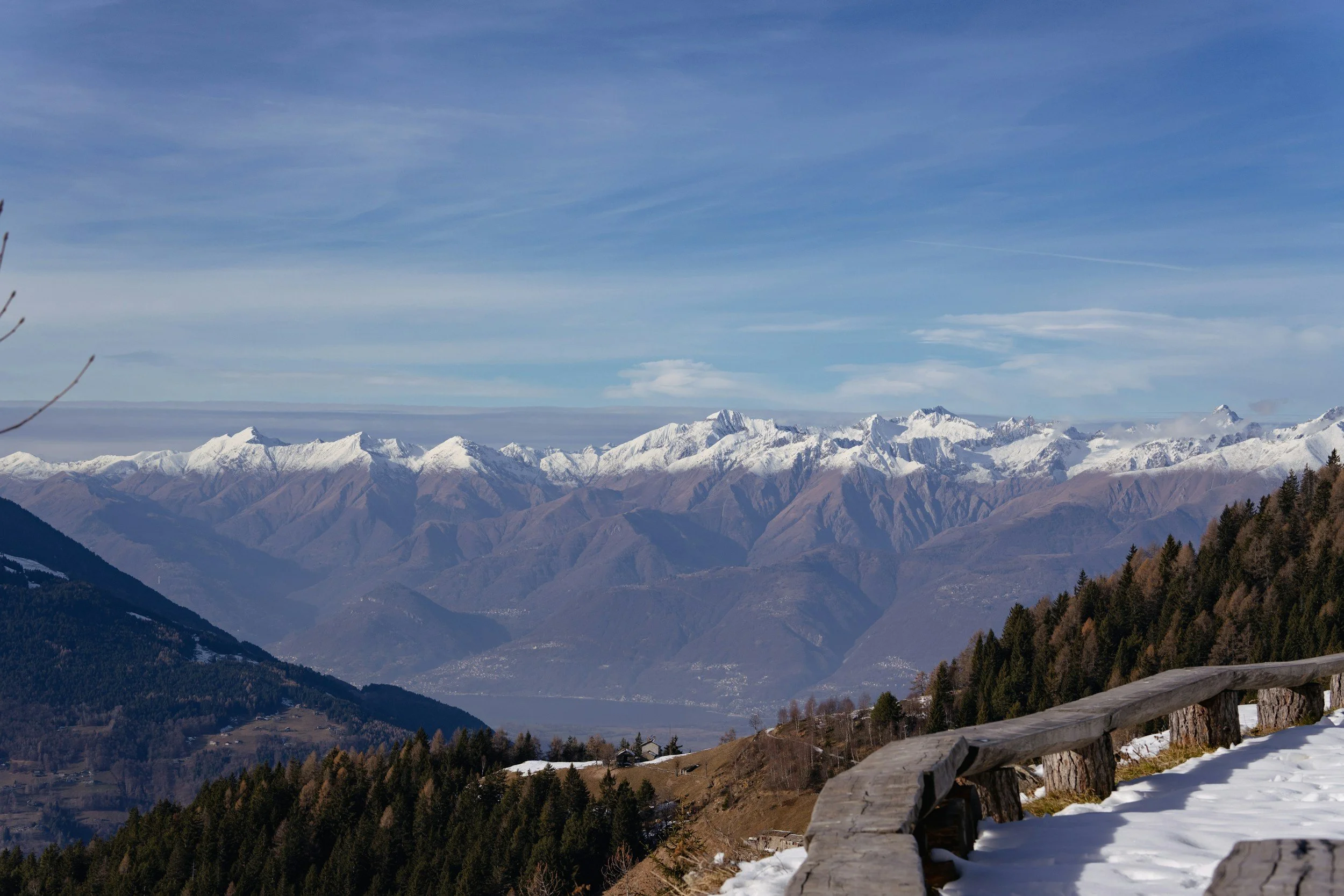
Much of this region lies above the Arctic Circle, where seasonal shifts alter not only temperature but perception. Even short walks recalibrate your sense of scale. Direction feels less fixed. Attention turns inward, not by choice, but because so little interrupts it.
The land sets its own pace.
Reindeer as Presence, Not Symbol
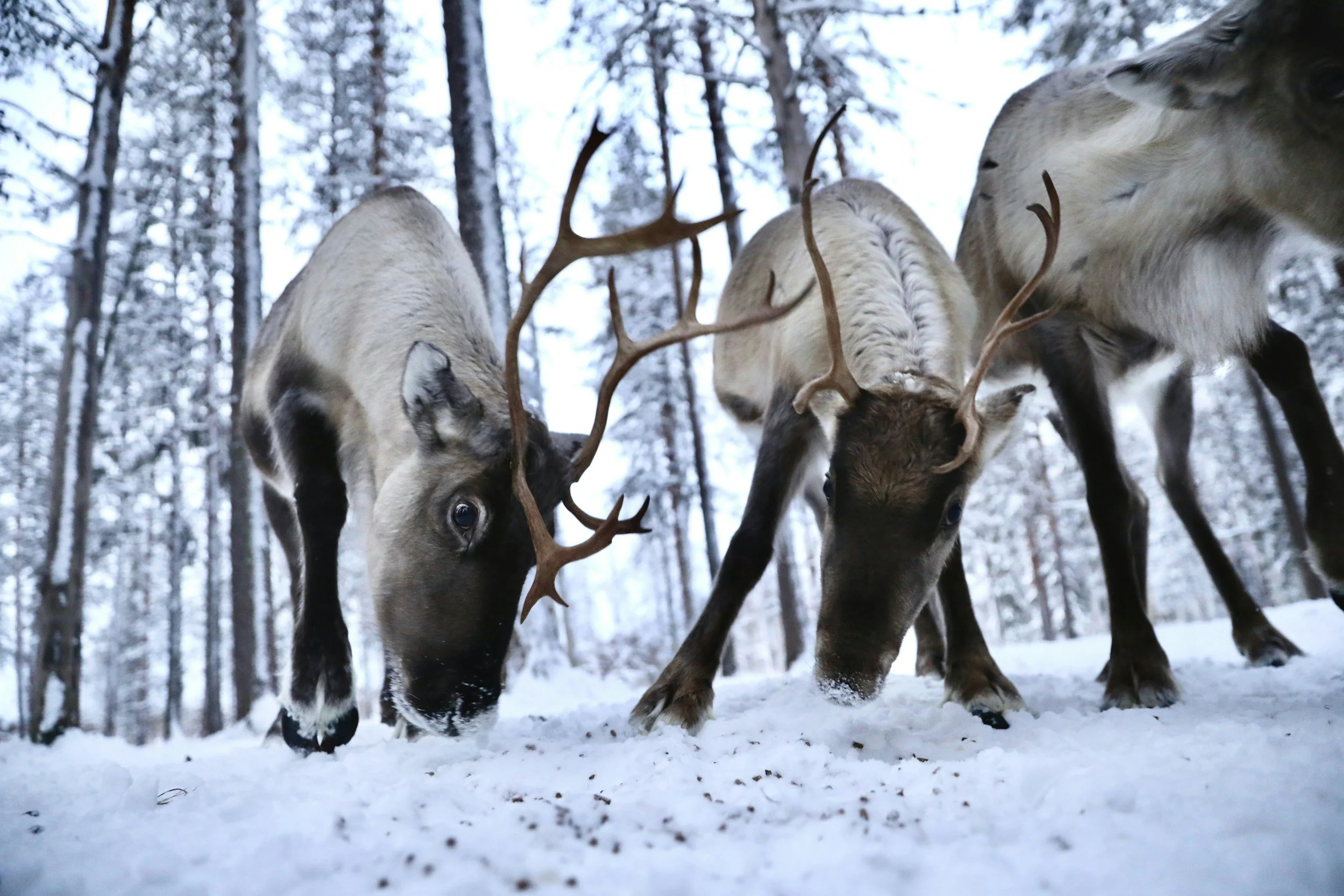
Reindeer appear without ceremony. They stand still for long stretches, then move suddenly, without urgency. Over time, their presence stops feeling remarkable and becomes part of the structure of the place.
Across northern Scandinavia, reindeer herding remains a working practice rather than a preserved tradition. Grazing routes cross national borders, following seasonal patterns older than modern maps. Roads bend to accommodate them. Signs exist not as warnings, but acknowledgements.
For many travellers encountering Lapland tours, this quiet normality teaches more than any explanation, not the sight of reindeer, but the way the landscape already assumes they belong.
Silence That Isn’t Empty
Silence here has texture. Snow absorbs sound unevenly. Wind moves above the treeline. Footsteps appear briefly, then vanish.
In winter, the absence of daylight sharpens this effect. With fewer visual cues, sound and movement become reference points. You begin to notice how often nothing happens and how full that nothing feels.
Silence does not signal absence. It signals space.
Settlements That Stay Close
Buildings gather rather than spread. Structures remain compact, placed where shelter already exists. Nothing feels imposed.
Many northern settlements formed around rivers, forests, or coastal access, where survival depended on proximity rather than expansion. Wood darkens. Paint fades. Repairs stay visible. Use continues without ceremony.
Habit becomes design.
Moving Without Breaking the Mood
Travel here does not feel like departure. It feels like continuation. Routes extend rather than reset.
People exploring a Norway tour often notice how movement carries the same tone forward, muted, steady, unhurried. Mountain roads follow the terrain rather than cut through it. Coastal routes pause for ferries not as interruptions, but as natural intervals.
Arrival rarely feels like an event.
The Coast as Boundary and Release
As the land leans toward the sea, space opens vertically. The horizon widens. The air shifts before you realise why.
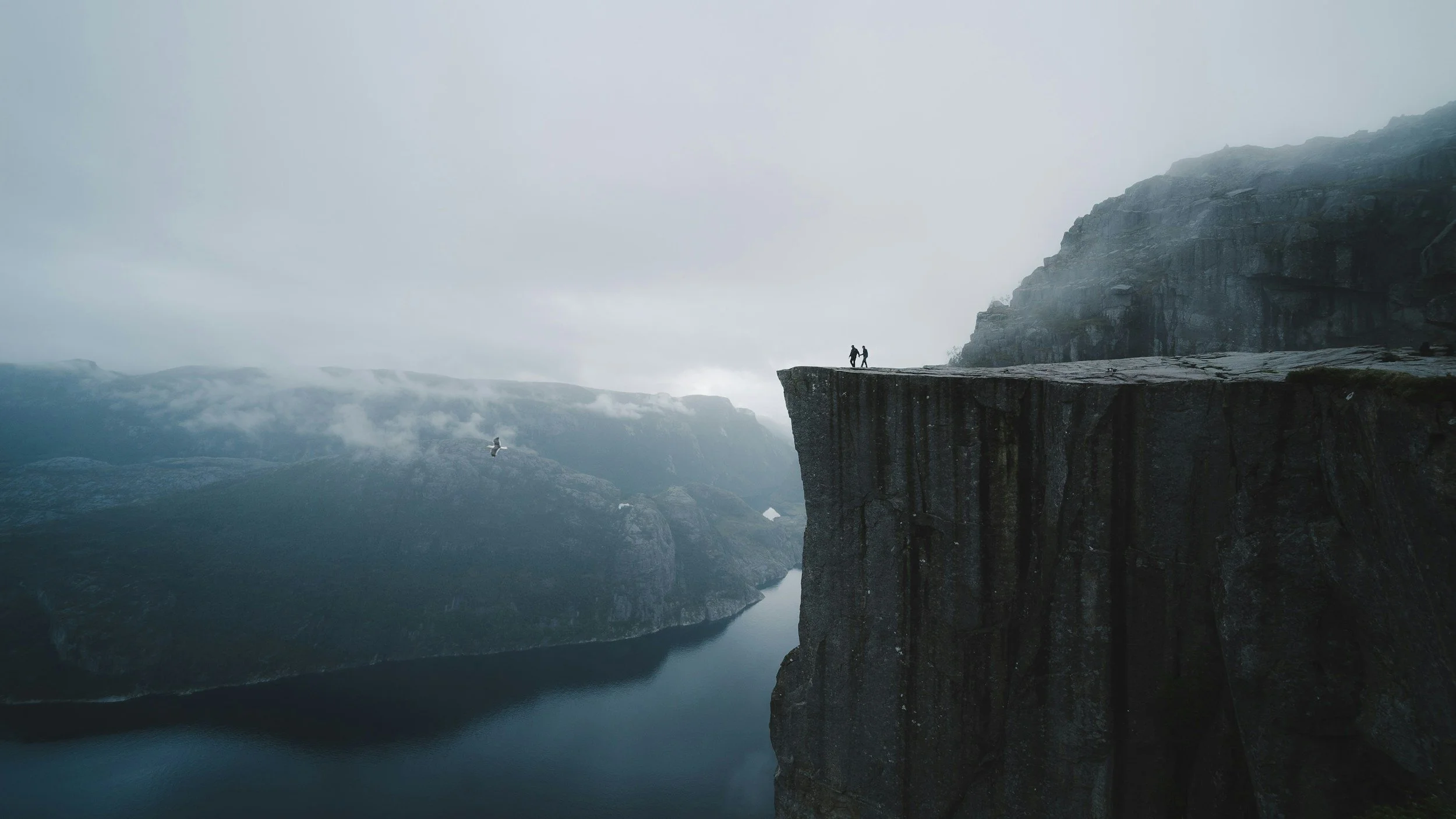
Along Norway’s coastline, fjords carve deeply inland, creating narrow corridors where water and mountain meet directly. These inlets shape both settlement and movement. Villages appear where the land permits, not where symmetry might suggest.
The sea holds the edge quietly.
Villages That Do Not Expand
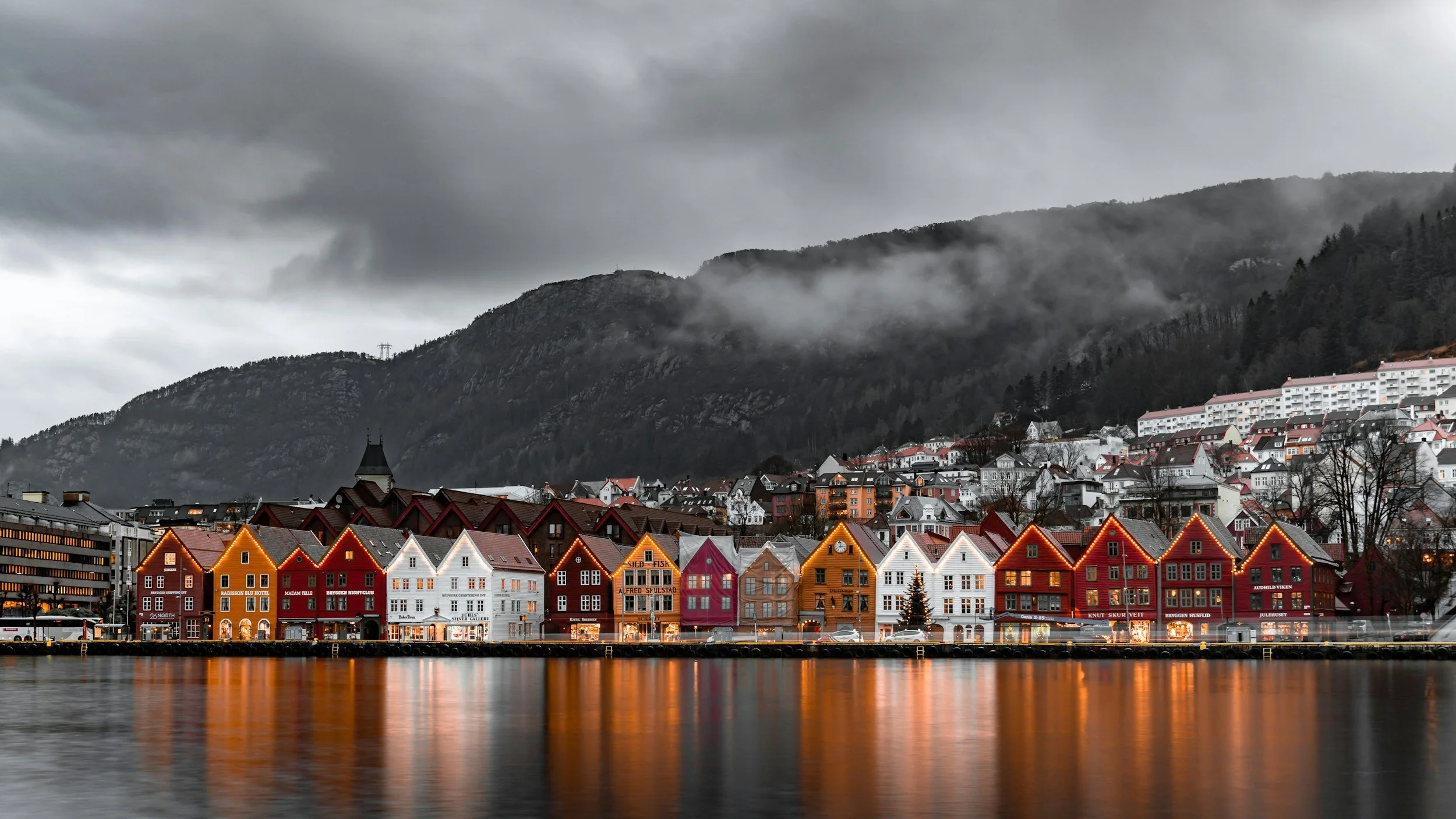
Coastal settlements remain measured. Buildings cluster close together. Colour is functional rather than decorative, chosen to stay visible against stone, snow, and water.
Fishing schedules, weather patterns, and daylight still shape daily rhythm. Growth remains cautious. Space is used carefully.
The village feels complete without needing to grow.
Light as an Unreliable Constant
Light behaves differently here. In winter, it appears briefly and leaves early. In summer, it lingers far beyond expectation.
This variability shapes architecture and routine. Windows frame low angles. Interiors hold warmth and brightness. Outdoor movement adapts to availability rather than habit.
Light becomes reference rather than resource.
Waiting as a Normal State
Plans remain flexible by necessity. Routes close. Conditions shift. Waiting becomes ordinary.
In the far north, waiting is not inefficiency. It is alignment. You pause because pausing fits the conditions. Movement resumes when it no longer requires force.
This adjustment happens quietly, without negotiation.
Repetition Without Routine
Days repeat, but they never feel identical. Weather alters tone. Light shifts texture. Sound behaves differently.
You stop tracking progression and start noticing variation. Familiarity deepens rather than dulls.
The land does not rush novelty.
Memory Without Images
Later, what returns is not a clear picture but a sensation — cold air held longer than expected, space stretching quietly, sound thinning without disappearing.
These impressions do not assemble into narrative. They remain loose.
Memory behaves the way the landscape does.
The Edge Without Emphasis
The northern edge of Europe does not insist on its position. It does not frame itself as extreme or exceptional.
It continues quietly, shaped by use rather than display. Life adjusts without commentary. Movement follows conditions.
Nothing here asks to be condensed.
What Remains Unresolved
What stays with you is not what you saw, but how often you slowed without deciding to. How often attention shifted without effort.
The region does not offer conclusions. It allows experience to remain unfinished.
And that unfinished quality feels accurate, steady, exposed, ongoing, long after you have moved elsewhere.
Where Pace Becomes Familiar
Eventually, pace stops feeling deliberate. You no longer think about slowing down or waiting, it simply happens. Movement aligns with conditions without requiring attention. You walk when walking feels right. You stop when stopping fits the moment. The land seems to expect this quiet agreement, as though it has always been part of how people move through it.
Details That Don’t Ask to Be Remembered
Some details remain without asking to be kept: the sharpness of air at certain hours, the way sound carries briefly then disappears, the sense of space holding its shape regardless of who passes through it. These impressions never organise themselves into lessons. They stay scattered, which makes them easier to carry.
An Ending That Doesn’t Close
Nothing here feels finished, even after leaving. Routes stay open in memory. Light continues to shift. Distance lingers without resolving into scale. The experience doesn’t conclude; it loosens, leaving room for return, if not in movement, then in recognition.
If you want, I can also shape this into a tighter travel‑editorial piece, a poetic essay, or something more explicitly geared toward a tour narrative.