
A Food Lover’s Guide to Southeast Asia
Southeast Asia is a paradise for food lovers. Each country offers flavours that reflect its history, culture, and traditions. Street markets, family-run eateries, and fine dining spots create a diverse culinary landscape. Travellers can enjoy dishes from savoury to sweet in almost every corner.
The region blends spices, fresh herbs, and local ingredients in unique ways. From bustling cities to quiet villages, food is a central part of life. Experiencing local cuisine allows visitors to connect with communities. This guide explores the best foods and experiences for travellers in Southeast Asia.
Thailand’s Spicy and Sweet Flavours
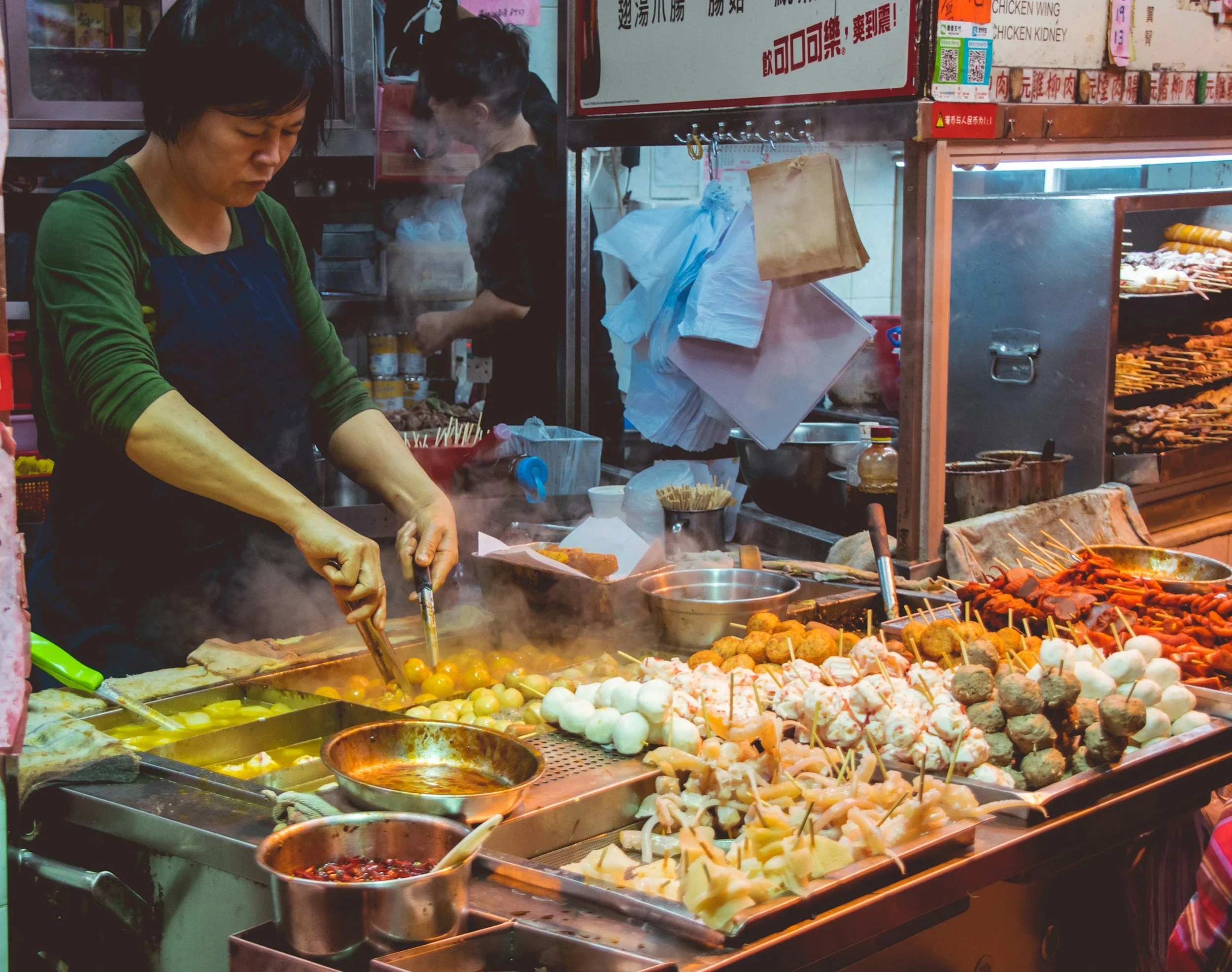
Thai food balances spice, sweetness, and freshness. Popular dishes include Pad Thai, Tom Yum soup, and green curry. Street vendors serve fresh fruits, noodles, and snacks at every turn. Markets offer unusual treats such as fried insects for adventurous eaters.
Each region in Thailand has its own specialties and cooking style. Northern dishes tend to be less sweet and more herb-heavy. Southern cuisine focuses on bold spices and coconut flavours. Visitors can use an esim for Southeast Asia travel to locate local restaurants for a full experience.
Vietnam’s Fresh and Healthy Cuisine
Vietnamese food emphasizes herbs, vegetables, and light flavours. Pho, a fragrant noodle soup, is a national favourite. Banh Mi sandwiches combine French influence with local ingredients. Markets are filled with fresh herbs, seafood, and tropical fruits.
Rice paper rolls and spring rolls provide healthy snack options. Street food stalls serve quick meals packed with flavour. Coffee culture also plays a role in Vietnam’s food scene. Sampling regional specialties, like bun cha in Hanoi, offers authentic culinary experiences.
A great examples of Asian food in Edinburgh can be found here
Malaysia’s Diverse Dishes
Malaysia presents a mix of Malay, Chinese, and Indian flavors. Nasi lemak, a fragrant coconut rice dish, is a must-try. Char kway teow combines flat noodles with seafood and soy sauce. Night markets showcase local sweets and fried treats.
Roti canai, a flaky flatbread, pairs well with spicy curries. Penang is famous for street food and vibrant hawker centres. Each state highlights unique ingredients and dishes, and travellers will find both bold flavours and mild comfort foods. Exploring Malaysia’s culinary diversity is a journey through its culture.
Indonesia’s Rich and Bold Tastes
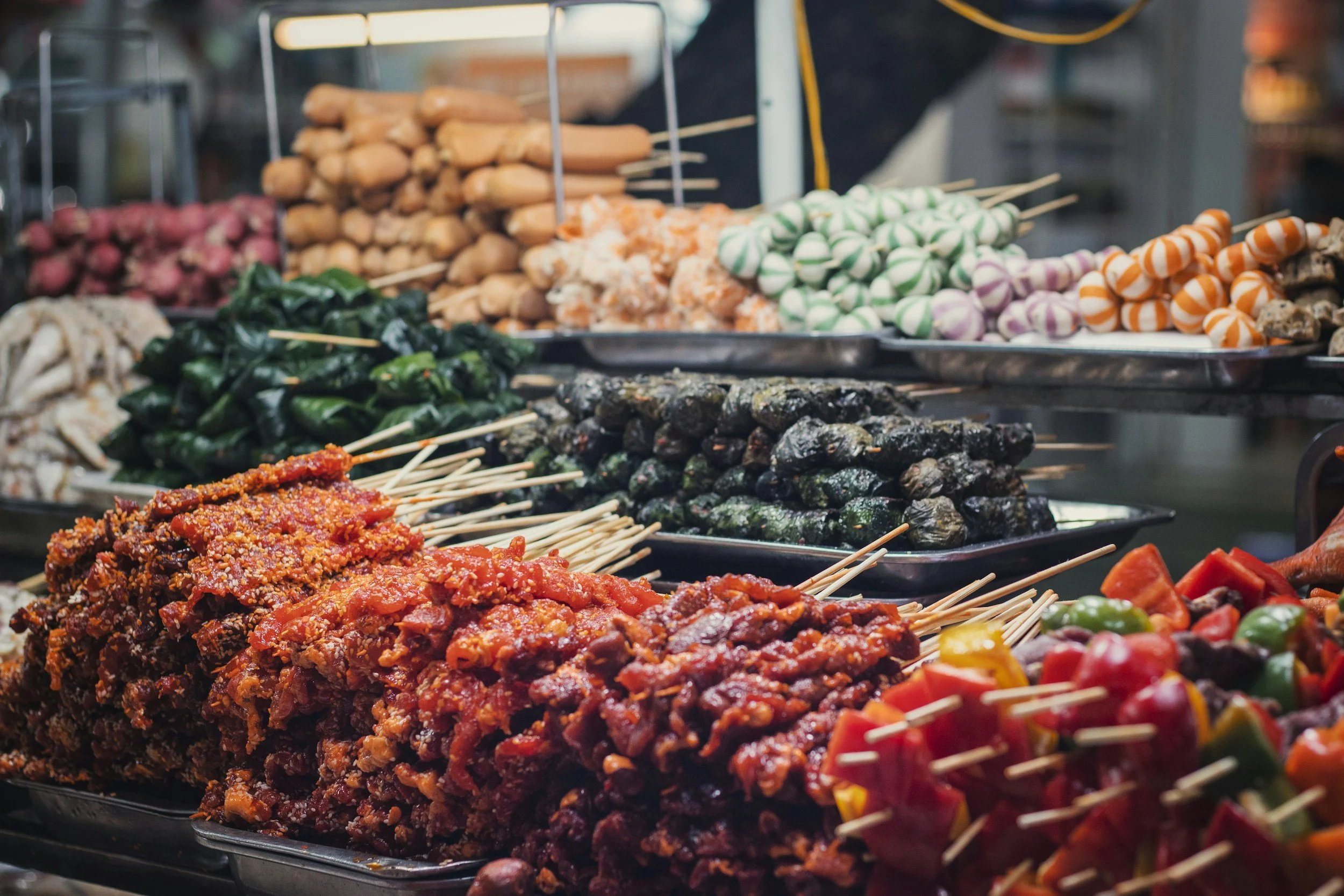
Indonesian cuisine features rice, coconut, and spices in every dish. Nasi goreng, fried rice with seasonings, is a staple. Satay skewers with peanut sauce delight both locals and tourists. Bali and Java have distinct cooking styles and signature dishes.
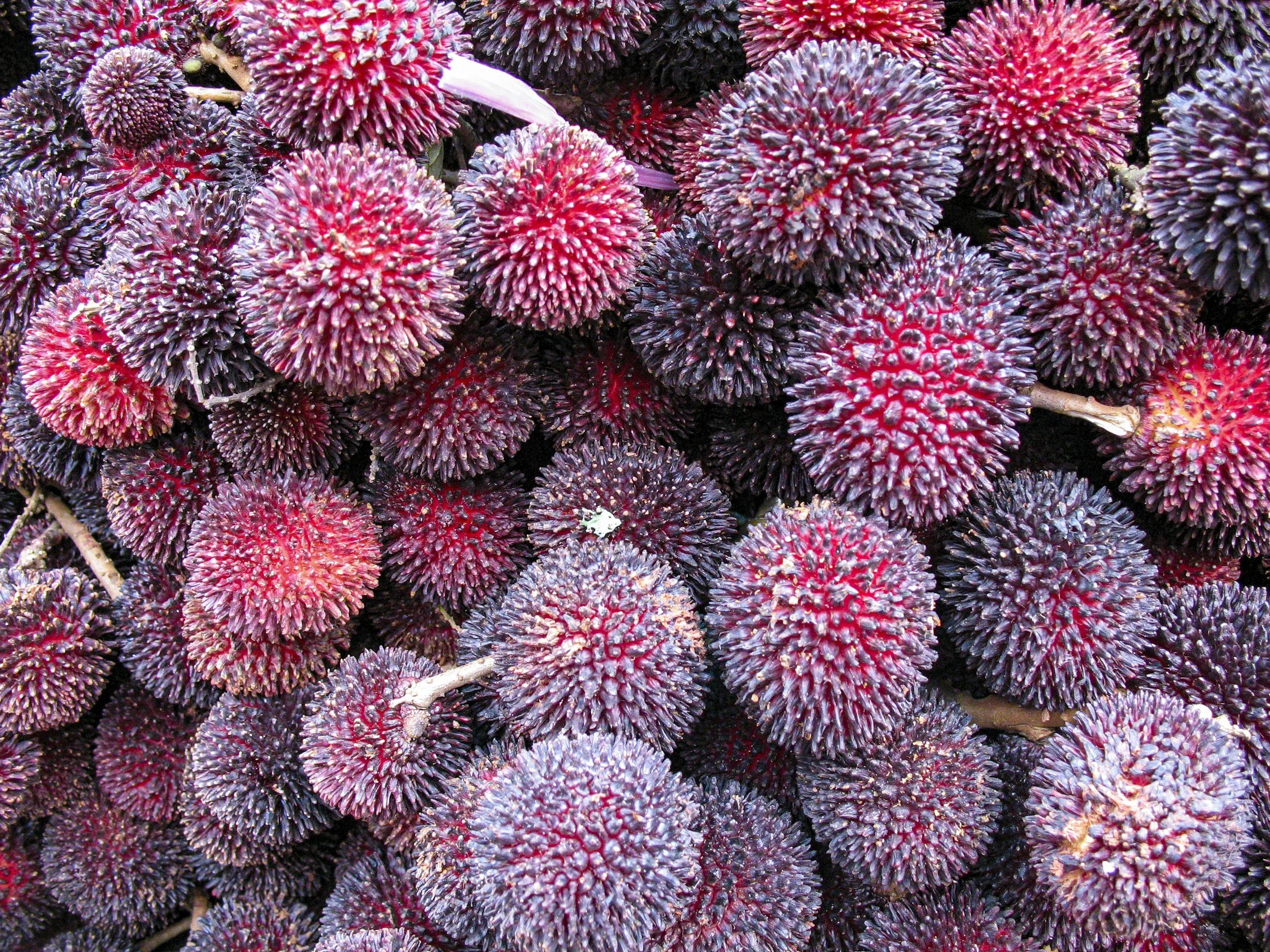
Markets sell tropical fruits such as rambutan, mangosteen, and durian. Sambal, a spicy chili paste, appears in many meals. Indonesian desserts often use palm sugar and coconut milk. Experiencing traditional dishes provides insight into local culture.
Singapore’s Hawker Culture
Singapore offers a melting pot of Asian flavours in compact spaces. Hawker centres serve affordable, delicious meals daily. Laksa, Hainanese chicken rice, and chili crab are signature dishes. The city emphasizes fresh ingredients and quick service.
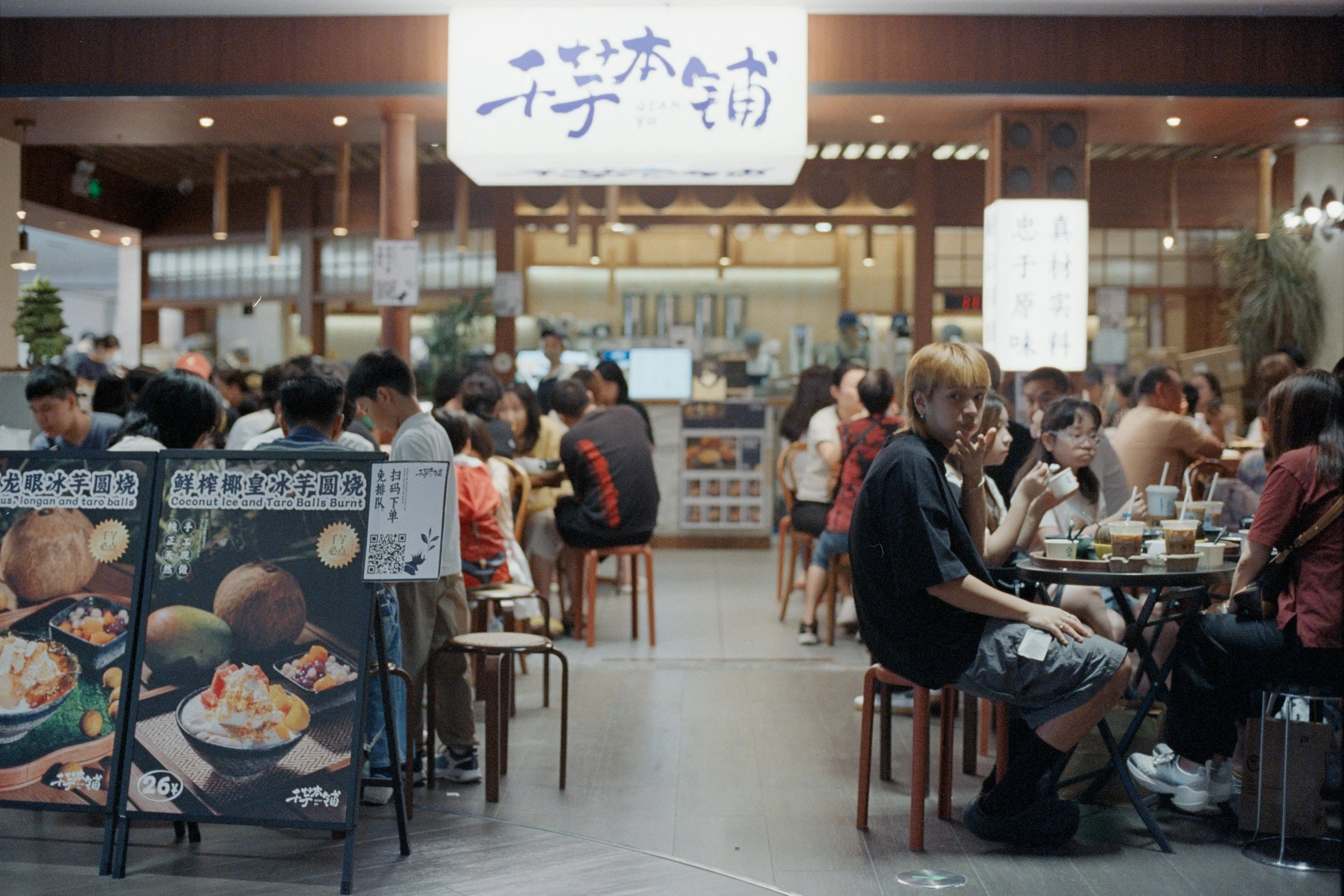
Markets and food courts create a vibrant atmosphere for sampling multiple dishes, and finding reliable places to eat becomes easy if you have an esim for Southeast Asia travel. Desserts include sweet treats like ice kachang and pandan cake. Singapore’s strict hygiene standards enhance the dining experience as travellers keep enjoying a mix of local, Chinese, Malay, and Indian cuisine in one city.
Philippines’ Comfort Food and Sweet Treats
Filipino cuisine combines Spanish, Chinese, and indigenous influences. Adobo, a marinated meat dish, is a national favourite. Sinigang, a sour soup, highlights local produce and flavours. Street food includes skewers, fried snacks, and sweet treats.
Rice remains a central component of daily meals. Desserts like halo-halo offer a mix of fruits, ice, and cream. Each region adds unique twists to classic dishes. Experiencing Filipino food reveals warmth and hospitality in every bite.
Street Food Tips and Etiquette
Trying street food requires observation and curiosity.
Look for stalls busy with locals, which indicates quality.
Carry small bills for easy transactions.
Be cautious with raw ingredients or undercooked items.
Handwashing or sanitizer ensures safe eating.
Learn a few local phrases for ordering politely.
Sampling a wide variety expands taste horizons.
Respecting local customs enhances the overall culinary experience.
Southeast Asia offers a culinary adventure for all travellers. Each country presents its own flavours, ingredients, and traditions. Street food, markets, and local restaurants provide endless opportunities to taste authentic dishes. Exploring cuisine helps visitors connect with the culture and history of the region.
From Thailand to the Philippines, every meal tells a story. Travelling through Southeast Asia without tasting its food is missing the heart of the journey. Food lovers will find inspiration in every dish. This region promises memories that linger long after the trip ends.